
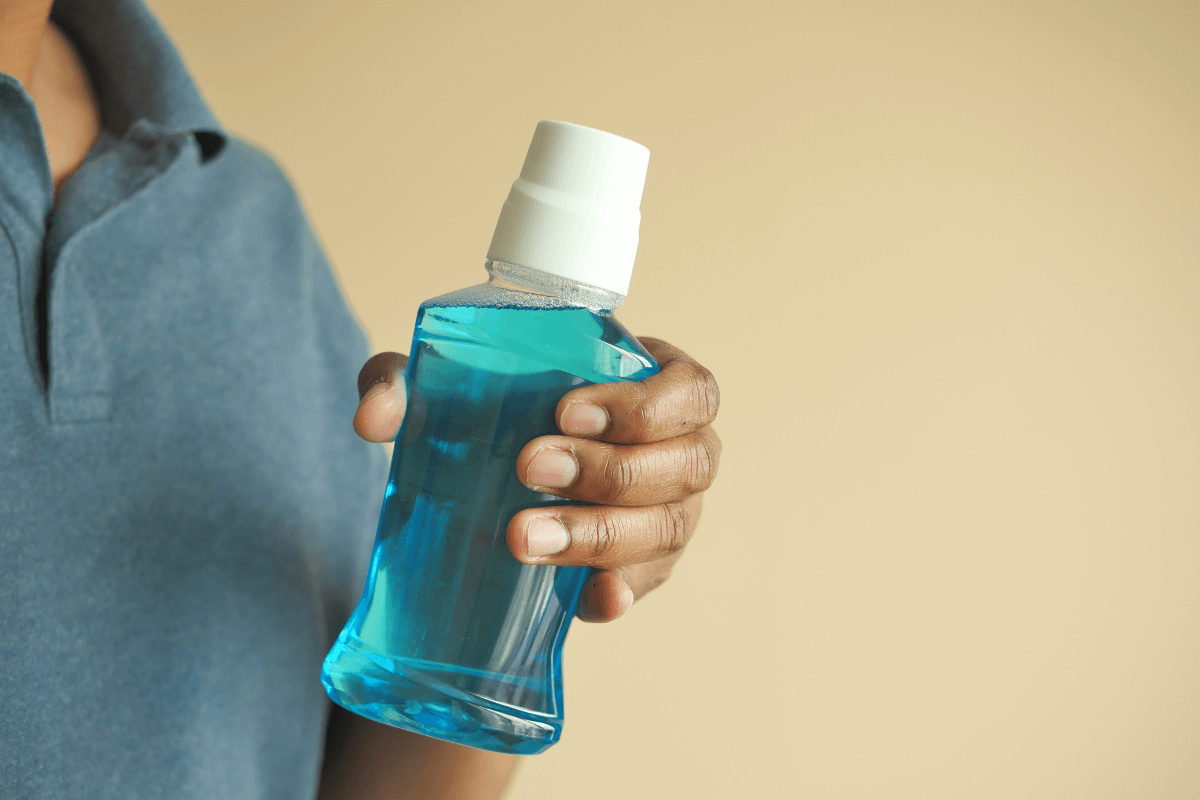
A dental filling can restore the strength and appearance of your tooth after a cavity. But once the procedure is done, you might wonder — is it safe to rinse with mouthwash right after? The answer depends on a few factors, including the filling you received and how soon after treatment you plan to use mouthwash.
If you’ve just had a filling, understanding what to do afterward can make a big difference in how well your tooth heals and how comfortable your recovery is. Here’s a complete guide to help you take the proper steps after a filling procedure.
Why You Need to Be Careful After a Filling
After your dentist completes a filling, your tooth needs time to settle. Most dental fillings — whether composite, amalgam, or glass ionomer — are designed to seal and protect your tooth. However, your gums and nerves may still be sensitive for a while.
If you rinse with a strong mouthwash immediately after your appointment, it can cause discomfort, irritation, or even slow down healing around the treated tooth.
Our dentist usually recommends waiting at least 24 hours before using mouthwash, especially if your filling was placed using materials that need time to set fully.
When Is It Safe to Use Mouthwash After a Filling?
Timing matters when using mouthwash. Here’s what most dental professionals suggest:
-
Immediately after treatment: Avoid mouthwash for at least the first 24 hours.
-
After 24 hours: You can start rinsing with a gentle, alcohol-free mouthwash.
-
After 48 hours, if you feel no sensitivity or pain, you can resume your regular mouthwash routine.
Always confirm these timelines with your dentist, as individual healing times may vary depending on your oral health and the filling used.
Why Alcohol-Free Mouthwash Is the Better Option
Many popular mouthwashes contain alcohol, which can be harsh on sensitive teeth and gums after a filling. Alcohol can cause:
-
A burning sensation in the treated area
-
Increased tooth sensitivity
-
Irritation of healing gum tissue
Instead, choose an alcohol-free mouthwash that’s gentle yet effective. Look for products with ingredients like:
-
Fluoride: Strengthens enamel and prevents future decay.
-
Chlorhexidine (prescribed): Helps prevent bacterial infection when recommended by your dentist.
-
Essential oils or natural extracts: Provide a refreshing clean without harsh effects.
If you’re unsure which mouthwash to use, your qualified dentist in Scottsdale can recommend one that suits your post-filling needs.
How to Maintain Oral Hygiene After a Filling
Even though you might need to avoid mouthwash for a short while, keeping your mouth clean after a filling is still crucial. Here’s how you can maintain oral hygiene safely:
-
Brush gently: Use a soft-bristled toothbrush to clean your teeth twice a day. Avoid brushing too hard near the treated tooth for the first 24 hours.
-
Floss carefully: Continue flossing, but move the floss slowly around the filled tooth to prevent irritation.
-
Rinse with warm salt water: Instead of mouthwash, rinse with a mild saltwater solution to reduce swelling and kill bacteria.
-
Avoid hard or sticky foods: These can pull at or damage a new filling, especially within the first day or two.
Following these steps will help your filling settle properly and ensure your smile stays healthy and strong.
What to Do If You Feel Pain or Sensitivity
Some sensitivity after a filling is normal, especially to hot or cold foods. However, if the pain persists for more than a few days, it may indicate an issue like:
-
A high filling (the filling might be slightly elevated and affect your bite)
-
Inflammation in the tooth pulp
-
A minor nerve reaction
If this happens, contact a professional as soon as possible. Your dentist can adjust the filling or check for any complications to ensure your comfort and oral health.
Tips for Long-Term Care After a Filling
Once your tooth has healed, regular care helps prevent future cavities and keeps your fillings intact. Here’s what our dentist in Scottsdale recommends:
-
Stick to a consistent brushing and flossing routine.
-
Limit sugary snacks and acidic drinks that can wear down enamel.
-
Schedule routine dental checkups every six months.
-
Consider fluoride toothpaste or treatments to strengthen your teeth.
A little preventive care goes a long way in keeping your fillings — and your overall oral health — in top shape.
Keep Your Smile Healthy with Expert Dental Care
Using mouthwash after a filling requires a bit of patience and care — but it’s worth it to protect your restored tooth. By waiting the recommended time and choosing the appropriate rinse, you can maintain a clean, healthy mouth without disrupting your recovery.
At our dental practice, we’re dedicated to helping patients achieve lasting oral health through gentle, personalized care. Whether you’ve just had a filling or need guidance on post-treatment care, our dentist in Scottsdale, AZ, is here to help you every step of the way.
FAQs
1. Can I use mouthwash the same day after a filling?
No. It’s best to wait at least 24 hours before using mouthwash, especially if it contains alcohol.
2. What happens if I use mouthwash too soon?
It can cause stinging, discomfort, or irritation to the treated area, especially if your mouth is still numb or sore.
3. Can I rinse with salt water instead of mouthwash?
Yes. Salt water is a safe and natural alternative that helps reduce swelling and promote healing.
4. Is alcohol-free mouthwash effective?
Absolutely. Alcohol-free mouthwashes are gentle yet effective at killing bacteria and freshening breath without irritation.
5. How do I know if my filling is healing properly?
If the discomfort fades within a few days and you can chew normally, your filling is likely healing well. Your dentist should check for persistent pain or sensitivity.