
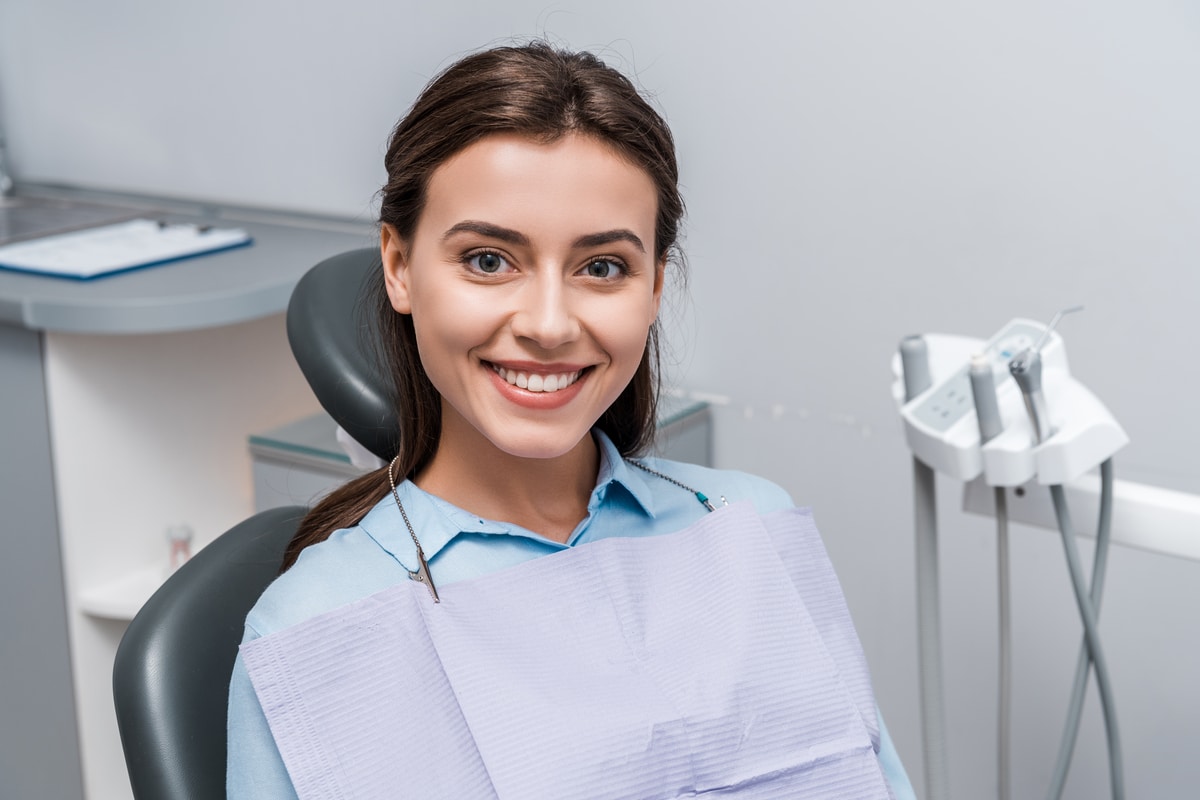
Ever find yourself eyeing a professional teeth-whitening ad, only to think, “Ouch, my teeth are already screaming at my morning coffee”?
You aren’t alone. If the mere thought of an ice cube or a steaming cup of tea makes you wince, you’re part of the 13.4% of North Americans currently navigating the world with dentin hypersensitivity. But here is the good news: having sensitive teeth doesn’t mean you have to skip out on the smile of your dreams. In fact, in 2026, cosmetic dentistry is more “sensitive-friendly” than ever before.
Are you ready to find out which treatments can give you that “Hollywood” glow without the “Antarctic” sting? Let’s dive into the safest, most effective ways to upgrade your smile.
Tooth Sensitivity — How Common Is It?
Before we dive into treatments, let’s put things into perspective:
- A landmark study found that as many as 57% of dental patients experience dentin hypersensitivity — the sharp pain from exposed microscopic tunnels in your tooth enamel that trigger nerve pain when exposed to hot, cold, sweet, or sour stimuli.
- Other research shows dentinal hypersensitivity affects 10–30% of people, depending on age and lifestyle factors.
- In everyday life, sensitivity can feel like a “zinger” when you sip cold soda, enjoy ice cream, or bite into hot pizza — often deterring people from pursuing cosmetic treatments like whitening.
That’s a lot of people holding back from aesthetic dental improvements. Luckily, advances in cosmetic dentistry mean you don’t have to choose between comfort and confidence.
What Makes Cosmetic Procedures Risky for Sensitive Teeth?
Some cosmetic dental procedures — especially traditional whitening, aggressive enamel reshaping, and certain veneers — can increase sensitivity if not done carefully.
Here’s why:
- Whitening treatments: Many whitening options use peroxide solutions that penetrate enamel to break down stains. This can temporarily expose nerve endings, causing sensitivity.
- Enamel removal: Traditional veneers require shaving away healthy enamel, which can expose underlying dentin without proper protection.
- Gum recession & exposed root surfaces: These naturally make nerves more responsive to environmental changes during cosmetic work if not properly addressed first.
Thankfully, today’s cosmetic dentistry doesn’t have to be painful — even if you have sensitive teeth.
Professional Teeth Whitening (The “Gentle” Way)
We’ve all heard the horror stories about “zingers” after whitening. However, the data shows a major shift in how we brighten smiles today.
While over-the-counter (OTC) kits often use a “one-size-fits-all” approach that can irritate the enamel, professional treatments in 2026 have been refined to be more comfortable.
- The Safety Stat: Recent clinical data indicate that when teeth whitening is performed under professional supervision, less than 10% of patients report significant sensitivity.
- Why it works: Dentists now use laser-activated systems and desensitizing gels (containing potassium nitrate or fluoride) before and after the procedure. This “pre-conditioning” blocks the microscopic tubules in your teeth, preventing the whitening agent from reaching the nerve.
Pro Tip: Look for a dentist offering “Sensitivity-Free” laser whitening. These sessions are faster—often achieving up to 8 shades brighter in one visit—which means the bleaching agent spends less time in contact with your enamel.
Biocompatible Cosmetic Bonding
If you have a chipped tooth or minor gaps, cosmetic bonding is arguably the safest “entry-level” cosmetic procedure. It is essentially a non-invasive “mask” for your tooth’s imperfections.
- The Data: Composite resin bonding has an annual success rate of 89% to 91%, with failures occurring in only 3% to 11% of cases, often due to wear rather than biological rejection.
- The “Sensitive” Advantage: Unlike veneers, bonding usually requires zero enamel removal. Because your natural tooth structure stays intact, there is no risk of exposing the sensitive dentin underneath. In 2026, the trend has moved toward BPA-free, biocompatible composites that mimic the natural light-reflecting properties of your teeth without triggering inflammation.
Ultra-Thin or “No-Prep” Veneers
Traditional veneers were once a scary prospect for sensitive patients because they required “shaving down” the enamel. But the industry has evolved.
- Innovation: New-generation porcelain veneers are now “ultra-thin”—some as thin as a contact lens.
- The Durability Factor: Modern porcelain veneers boast a lifespan of 15 to 20 years with proper care.
- Safe for Sensitive Teeth: “No-prep” or “minimal-prep” veneers are bonded directly to your existing enamel. Since the protective outer layer of your tooth isn’t removed, the risk of post-procedural sensitivity is significantly reduced. According to the American Academy of Cosmetic Dentistry, while some patients feel slight temperature sensitivity for the first 48 hours, it typically resolves entirely within a week.
Clear Aligner Therapy (Invisalign)
Think straightening your teeth has to be a painful, metal-filled ordeal? Think again. Clear aligners are often the preferred cosmetic choice for those with sensitive gums.
- The Stats: Studies from the American Association of Orthodontists show that while 70% of patients feel some pressure when switching to a new tray, this discomfort is temporary—usually lasting only 2 to 4 days.
- The Hygiene Win: Because you can remove the aligners to brush and floss, you are less likely to develop the gum recession or “white spot” lesions (early decay) often associated with traditional braces, which are major triggers for tooth sensitivity.
Gum Contouring and Root Coverage
Sometimes sensitivity is worsened by exposed roots from gum recession. Gum contouring and procedures like gum grafting can:
- Protect exposed root surfaces
- Reduce sensitivity
- Improve the aesthetic symmetry of your smile
This isn’t strictly cosmetic — it’s therapeutic and aesthetic, improving both comfort and appearance.
Advanced Protective Treatments During Cosmetic Work
Even if you’re not pursuing cosmetic change, your dentist can help protect sensitive teeth during any procedure with:
Desensitizing Gels & Fluoride Treatments: These agents close tiny nerve pathways and strengthen enamel.
Potassium Nitrate Toothpaste: Dentists often recommend a sensitive-tooth formula before cosmetic work to calm nerves — studies suggest this can reduce sensitivity over time.
Tips to Manage Sensitivity Before, During, and After Treatment
Here’s what dentists often recommend to keep discomfort low:
- Switch to a soft-bristled toothbrush. Hard bristles can injure enamel and gums and worsen sensitivity.
- Avoid extremes in temperature (e.g., ice water or very hot coffee) before and after whitening.
- Use fluoride toothpaste or rinse daily — this strengthens enamel and protects nerves.
- Space out cosmetic appointments to reduce nerve overstimulation.
Myth-Busting: What Cosmetic Dentistry Is Not
Let’s clear up a few common misunderstandings:
Myth: Cosmetic Dentistry Always Causes Pain
Fact: Modern techniques — especially bonding, gentle veneers, and custom whitening — are designed to be comfort-focused.
Myth: Sensitive Teeth Can’t Get Cosmetic Treatment
Fact: With proper evaluation and planning, many sensitive patients get great results with less discomfort than they expected.
Myth: Whitening Makes Sensitivity Permanent
Fact: Sensitivity following professional whitening is usually temporary and resolves within days to a few weeks.
Professional Care Is Key
Before any cosmetic treatment, the safest approach for sensitive teeth includes:
- A full dental exam — including enamel thickness, gum health, and existing triggers.
- Choosing the right method for your sensitivity level.
- A customized plan with desensitizing protocols.
Conclusion
A sensitive smile is not a broken smile. With the rise of biocompatible materials and minimally invasive techniques in 2026, the barrier between you and your ideal aesthetic is thinner than ever. By choosing professional, supervised treatments over “DIY” home kits, you ensure that your enamel is protected and your nerves remain calm.
Ready to see which of these options fits your unique smile? Contact your local cosmetic dentist in Scottsdale today for a sensitivity-focused consultation. Your pearly whites (and your nerves) will thank you!
Frequently Asked Questions
- Are cosmetic dental treatments safe if my teeth are sensitive?
Yes! With tailored treatment plans and modern desensitizing techniques, many cosmetic procedures are safe and comfortable even for sensitive teeth. - Will teeth whitening permanently worsen my sensitivity?
No — most sensitivity from whitening is temporary and decreases within days to a couple of weeks with proper care. - What cosmetic option is best if I want a gentle, low-pain solution?
Dental bonding and no-prep or minimal-prep veneers are among the safest, least invasive options. - Can cosmetic dentistry actually reduce sensitivity?
Yes — treatments like bonding can cover exposed dentin, and gum contouring can protect roots, both of which reduce sensitivity triggers. - Should I use desensitizing toothpaste before cosmetic work?
Often, yes. Dentists frequently recommend sensitive-teeth toothpaste with potassium nitrate or fluoride to help calm nerves before treatment.