
Let’s face it: your smile is a powerful first impression. But when a tooth is damaged or missing, the decision about how to fix it can feel overwhelming. You’ve likely heard the terms “dental implant” and “dental crown,” but what exactly is the difference, and which one is the right long-term solution for your unique situation?
You’re not alone in seeking clarity. With millions of Americans experiencing tooth loss or damage, the demand for restorative options is high. In fact, over 150 million people in the U.S. have missing teeth, highlighting a significant need for solutions like implants and crowns (NCHStats).
This article will break down the essential differences, compare longevity and costs, and provide the data you need to have an informed conversation with your dentist.
Dental Implant: The Full Tooth Replacement
A dental implant in Scottsdale is the most comprehensive solution for replacing a missing tooth. It’s designed to mimic the entire structure of a natural tooth, from the root to the tip.
What is it?
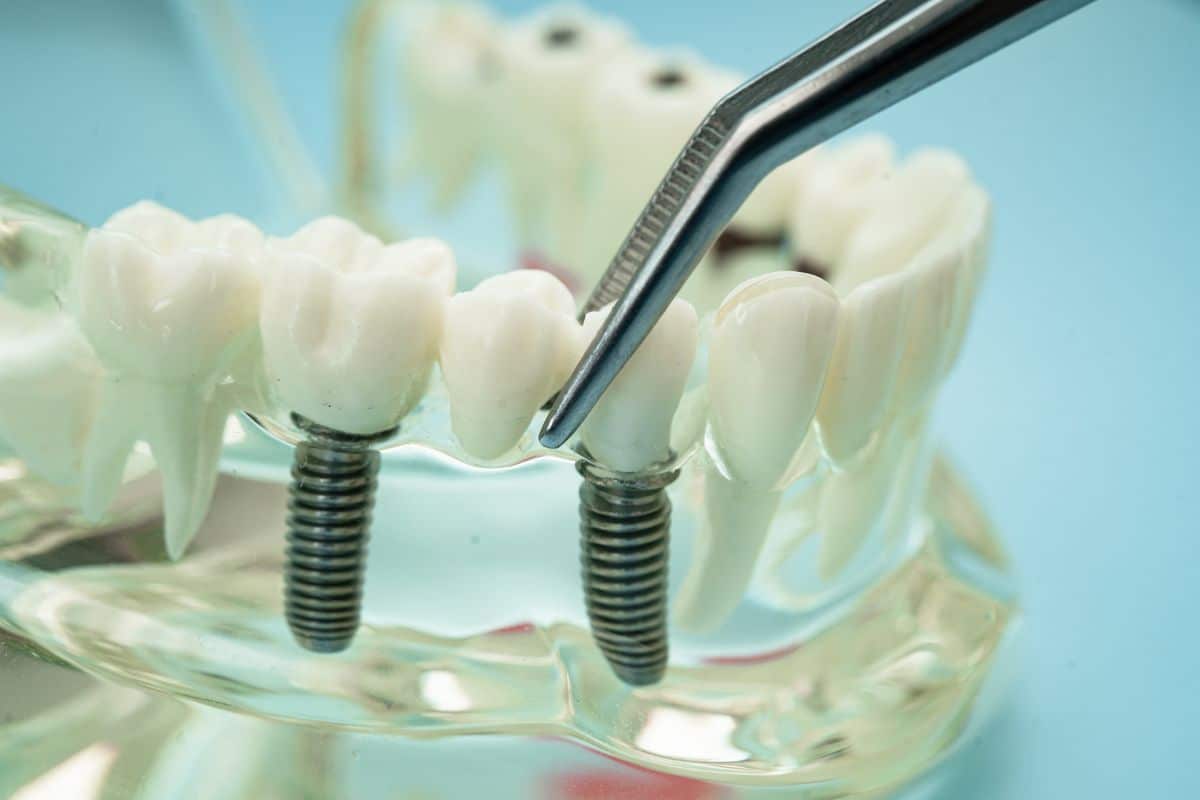
A small, screw-like post (usually made of titanium, which dominates 93% of the U.S. market) is surgically placed into your jawbone. This post acts as an artificial tooth root. After a healing period, a custom-made crown is attached to the post via a connector (abutment).
Key Statistics & Data:
- Purpose: Primarily replaces a missing tooth (including the root).
- Longevity: Implants are a long-term investment. They can potentially last a lifetime with proper care and maintenance. The survival rate for single implant-supported crowns is very high, reaching up to 94% at 15 years (National Library of Medicine).
- Success Rate: The procedure boasts an impressive success rate, often exceeding 95% in healthy patients (Dental Arts of Florida).
- Bone Health: A critical advantage is their ability to stimulate the jawbone, preventing the bone loss that naturally occurs after a tooth is extracted.
Dental Crown: The Protective Cap
A dental crown, sometimes referred to as a “cap,” is a solution for a damaged but still intact tooth.
What is it?
A crown is a custom-made cover placed over a weak, broken, severely discolored, or decayed tooth. It restores the tooth’s original shape, size, strength, and appearance. Dental Crowns in Scottsdale are also the final restoration placed on top of a dental implant.
Key Statistics & Data:
- Purpose: Primarily restores a damaged, salvageable tooth (or tops an implant).
- Prevalence: Crowns are the most commonly used prosthetic, making up 60% of all prosthetics used (NCHStats).
- Longevity: Crowns are highly durable but generally have a shorter lifespan than fully integrated implants. The average lifespan is typically 5 to 15 years, though a landmark study found 85% remained functional after 15 years (Cleveland Clinic, Keating Dental Lab). Longevity often depends on the material (e.g., metal crowns may last over 20 years, while porcelain-fused-to-metal crowns typically average about 15 years).
- Procedure: Typically requires two office visits and is a less invasive and quicker process than an implant.
Treatment time and complexity
- Crowns: typically completed in a few visits over 1–3 weeks (or same-day with CAD/CAM systems). Less invasive overall.
- Implants: surgical placement into bone, then a healing/osseointegration period (commonly 3–6 months) before the final crown is attached. If bone grafting or sinus lifts are needed, treatment time and cost increase.
When dentists usually recommend each option
Choose a crown when:
- The natural tooth root is healthy and salvageable.
- You need to restore a heavily filled, cracked, or root-canal-treated tooth.
- You want a quicker, less invasive option with lower immediate cost.
Choose an implant when:
- The tooth is missing or must be extracted, and long-term replacement is desired.
- You want to avoid altering adjacent healthy teeth (as you would for a traditional bridge).
- You want a solution that preserves the jawbone and often feels/acts most like a natural tooth in the long term.
Maintenance — how to keep your investment healthy
- Crowns: Brush, floss (pay attention to the crown margins), and avoid tough foods or chewing ice. Keep up with regular dental checkups and cleanings.
- Implants: identical oral hygiene is essential; implants require meticulous plaque control and regular professional maintenance to prevent peri-implantitis. Smoking cessation and controlling systemic diseases (such as diabetes) improve outcomes.
The Bottom Line
Choosing between a dental implant and a dental crown boils down to one crucial question: Is your tooth missing, or is it damaged?
- Choose a Dental Implant if: You have entirely lost the tooth and its root due to decay, trauma, or gum disease. It is the gold standard for full tooth replacement, offering jawbone preservation and the highest long-term success rate.
- Choose a Dental Crown if: Your natural tooth structure is still present but severely compromised (e.g., fractured, large filling, or following a root canal). It protects and preserves the remaining tooth.
Ultimately, only a thorough examination by your qualified dentist in Scottsdale can determine the right choice based on your specific oral health, bone density, and overall health.
Frequently Asked Questions (FAQs)
- Does insurance cover dental implants and crowns?
Coverage varies widely. Most dental insurance plans consider crowns a major restorative procedure and may cover 50% or more of the cost. Implants, however, are often considered a cosmetic or “non-essential” procedure, though more plans are now offering limited coverage. It’s essential to check with your specific provider.
- Does getting a dental implant hurt?
The procedure is performed under local anesthesia, so you should not feel pain during the surgery. Post-operative discomfort is common but typically manageable with over-the-counter pain medication and usually subsides within a few days.
- How long does the entire implant process take?
The entire process, from initial placement to the final crown, can take 4 to 9 months due to the required healing time (osseointegration) needed for the implant to integrate with the jawbone. Crowns on existing teeth are much quicker, typically completed in just two office visits over a few weeks.
- Can a crown on a natural tooth still get a cavity?
Yes. The crown itself cannot decay, but the natural tooth structure underneath the crown and at the crown’s margin (where it meets the gum line) can still develop a cavity. This is why maintaining excellent oral hygiene is crucial for the longevity of crowns.
- What is the biggest factor affecting the long-term success of either solution?
For both implants and crowns, diligent oral hygiene (brushing, flossing, and regular dental checkups) is the most critical factor. For implants, smoking can significantly increase the risk of failure—smokers have a 140% higher risk of implant failure than non-smokers (National Library of Medicine).