
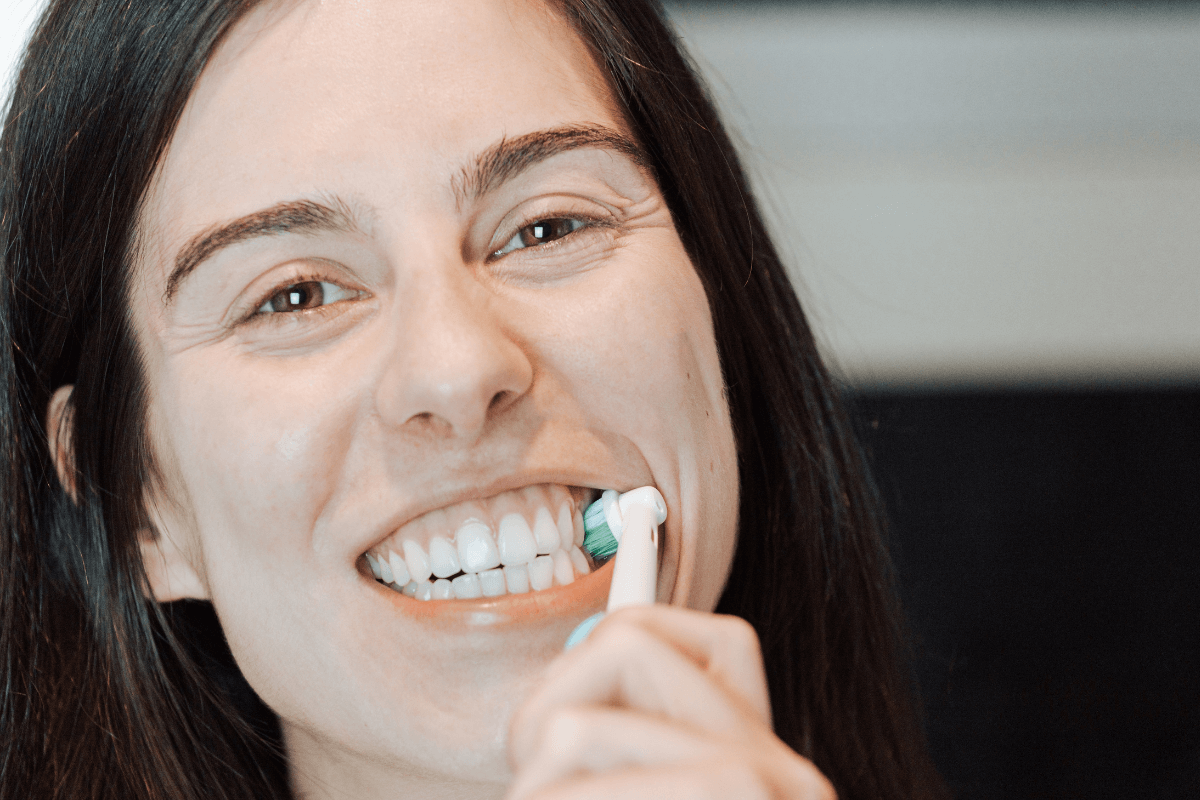
Your toothbrush is supposed to keep your smile healthy—but what if it’s doing the opposite? Many people are shocked to discover mold on their toothbrush. If you’ve ever wondered, “Is mold on a toothbrush dangerous?”, the answer is yes, it can be. Mold growth is more common than you might think, and using a contaminated toothbrush could impact both your oral and overall health.
As a leading Scottsdale dentist, we believe education is the first step to better oral care. Let’s break down why mold forms, how it affects your health, and what you can do to prevent it.
Why Mold Grows on Toothbrushes
Bathrooms are the perfect environment for mold—moist, warm, and often poorly ventilated. Your toothbrush, especially when left damp, can easily become a breeding ground.
Common causes of toothbrush mold include:
-
Storing toothbrushes in a closed container or drawer.
-
Lack of ventilation in the bathroom.
-
Placing it too close to the toilet (airborne particles can travel).
-
Using the same toothbrush for too long.
If you notice black spots, discoloration, or a strange odor, chances are you have a moldy toothbrush.
Health Risks of a Moldy Toothbrush
So, can mold on a toothbrush make you sick? Unfortunately, yes. Mold and bacteria on toothbrushes can lead to several problems, especially with repeated use.
Possible health concerns include:
-
Oral infections – Gum irritation, swelling, or bleeding.
-
Bad breath – From bacterial buildup.
-
Respiratory problems – Inhaling spores can worsen allergies or asthma.
-
Reinfection – If you’ve been sick, germs on your toothbrush can make you sick again.
Patients often ask, “What happens if you brush your teeth with a moldy toothbrush?” While a single use might not always cause serious issues, continued use increases your risk of dental and general health problems.
How to Spot Mold on Your Toothbrush
Mold doesn’t always look the same, but there are common signs:
-
Dark spots (black or green) on the bristles.
-
Musty or sour smell.
-
Slimy texture on the handle or bristles.
-
Unexplained gum sensitivity after brushing.
If you’ve ever thought, “I brushed my teeth with a moldy toothbrush,” don’t panic. Rinse your mouth with water, replace your toothbrush immediately, and consider swishing with an antibacterial mouthwash. If irritation continues, our dentist in Scottsdale can provide guidance on keeping your oral care routine safe and effective.
Can You Get Sick Again From Your Toothbrush?
Yes, it’s possible. Germs, bacteria, and even viruses can linger on toothbrush bristles. If you’ve recently had a cold, flu, or other illness, continuing to use the same toothbrush could reinfect your system.
That’s why dentists recommend:
-
Replacing your toothbrush after being sick.
-
Not sharing toothbrushes under any circumstance.
-
Keeping multiple backups at home in case you need to switch quickly.
How to Prevent Mold on Your Toothbrush
The good news? Preventing mold is easy with the right habits.
Tips to keep your toothbrush mold-free:
-
Rinse well after brushing to remove toothpaste and debris.
-
Air dry upright in an open holder with space between brushes.
-
Store away from toilets to avoid airborne contamination.
-
Avoid closed cases that trap moisture.
-
Replace every 3 months or sooner if bristles fray.
-
Sanitize occasionally with antibacterial mouthwash or a UV toothbrush sanitizer.
These steps work whether you use a manual toothbrush or an electric one.
When to See a Dentist
If you’ve been exposed to a moldy toothbrush and notice ongoing gum irritation, tooth sensitivity, or mouth discomfort, don’t wait. Professional care can prevent bigger problems from developing.
At our dental practice, we’re committed to helping families maintain strong, healthy smiles. Our dentist in Scottsdale can guide you on the best oral care habits and ensure your dental health is fully protected.
FAQs About Mold on Toothbrushes
1. Can mold on a toothbrush affect your teeth?
Yes, mold can contribute to gum irritation, bad breath, and may weaken tooth enamel over time. Regular replacement of your toothbrush prevents these risks.
2. What are the symptoms of brushing with a moldy toothbrush?
You might notice sore gums, unusual mouth irritation, a lingering bad taste, or worsening bad breath. These symptoms may indicate exposure to bacteria and mold.
3. Is black mold on a toothbrush more dangerous?
Black mold is considered more harmful than other types. While not every exposure leads to illness, black mold on toothbrush bristles should never be ignored. Replace the toothbrush right away.
4. Can you get sick again from your toothbrush after being sick?
Yes. Bacteria and viruses can linger on bristles, leading to reinfection. Replacing your toothbrush after recovering from an illness is strongly recommended.
5. Should you change your toothbrush after being sick?
Absolutely. A fresh toothbrush ensures germs from your recent illness don’t stick around and affect your recovery or cause reinfection.
6. Can mold grow on an electric toothbrush?
Yes, mold can form on electric toothbrush heads and handles if not cleaned and dried properly. Regular cleaning and replacing brush heads every 3 months helps prevent it.
7. How can I prevent mold inside a toothbrush cover?
Avoid closing damp toothbrushes inside travel cases or covers. If you must use a cover, allow airflow or dry the toothbrush thoroughly before storing.
8. Can your toothbrush make you sick if it looks clean?
Even if it looks fine, bacteria and mold can grow where you can’t see them, especially at the base of the bristles. Routine replacement is the best prevention.
9. How often should I sanitize my toothbrush?
Once or twice a week is usually enough. Soaking in antibacterial mouthwash or using a UV sanitizer can keep mold and bacteria from building up.
10. What happens if you accidentally use a moldy toothbrush once?
One accidental use may not always cause illness, but it can irritate gums or leave harmful bacteria in your mouth. Replace the toothbrush immediately to be safe.
Protecting Your Smile From Hidden Risks
Your toothbrush should be your best defense against cavities and gum disease—not a source of illness. Mold can grow quickly if the conditions are right, but with proper care and timely replacement, you can keep your toothbrush clean and safe.
If you’re worried about toothbrush hygiene or want expert advice on protecting your smile, schedule a visit with Kind Family Dentistry, a trusted Scottsdale dentist. A little prevention today can go a long way toward a healthier tomorrow!