
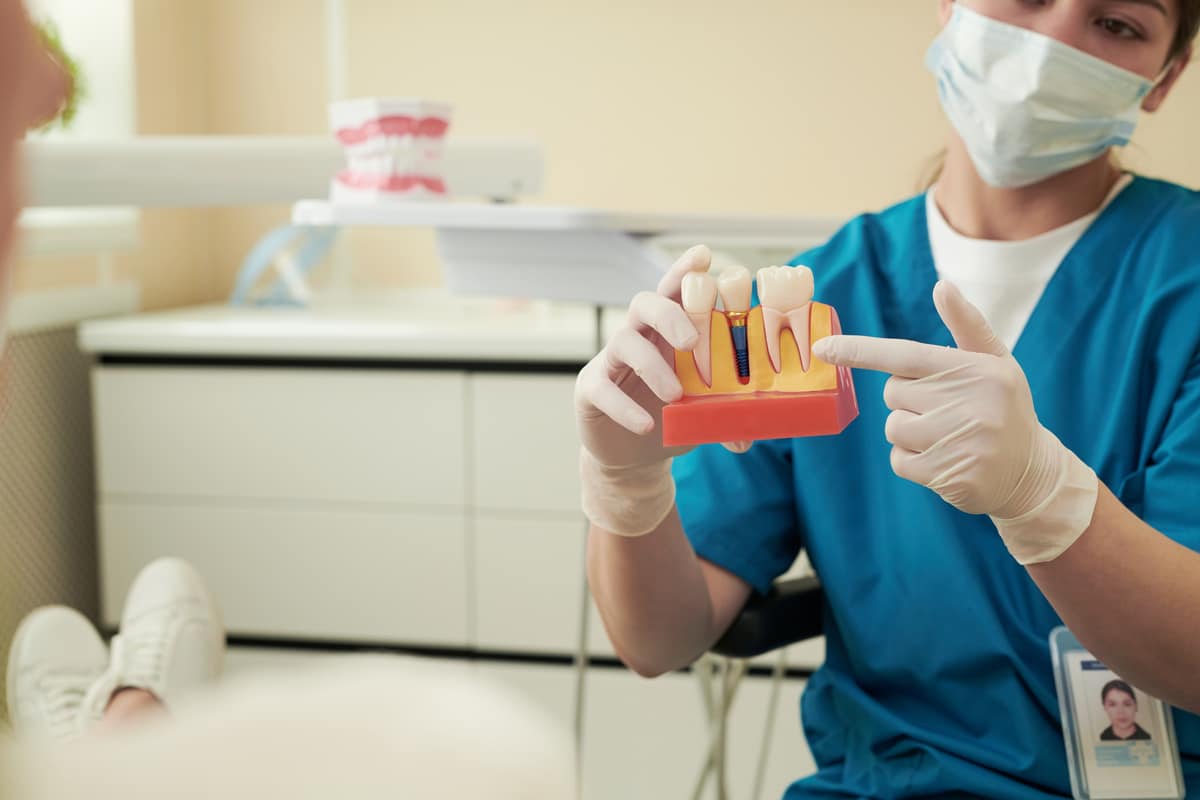
So, you’ve finally taken the leap and upgraded your smile with dental implants. Congratulations! You’re now part of a growing community—roughly 500,000 Americans undergo dental implant procedures every year, according to the American Academy of Implant Dentistry (AAID). While you’re likely excited to show off your new look, you might be noticing a little more “zing” than you expected when you sip your morning coffee or enjoy an ice-cold soda.
If you’re wondering, “Is this normal?” or “How do I make it stop?”—don’t worry. You’re in the right place. While the titanium post itself doesn’t have nerves, the surrounding tissue, gums, and even your neighboring natural teeth are all adjusting to their new neighbor.
Let’s dive into how you can protect those sensitive spots and keep your 95%-98% success rate on track.
The Reality of Post-Implant Sensitivity
First, let’s look at the numbers. While dental implants are considered the “gold standard” for tooth replacement, they aren’t magic. A study published in StatPearls indicates that while implants have a 10-year success rate above 97%, the immediate post-operative period involves significant biological changes.
Sensitivity isn’t just “in your head.” Research on neurosensory changes shows that approximately 5.6% to 6.2% of patients experience transient (temporary) sensory changes after surgery. This is often due to the inflammatory response in the surrounding tissues as they heal around the new hardware.
Why Do My Teeth Feel Sensitive?
- Gingival Inflammation: Your gums are the “first responders” to surgery. Redness and swelling are common in the first 72 hours.
- Pressure on Neighbors: Sometimes, the new crown can exert slight pressure on adjacent natural teeth, making them feel sensitive to temperature changes.
- The “High Bite”: If your new tooth is even a fraction of a millimeter too high, it can cause “mechanical overload.” According to recent data, mechanical complications account for nearly 18% of implant issues.
- Osseointegration: This is the fancy word for your bone growing into the implant. This process takes 3 to 6 months, and during this phase, the jaw can feel a bit tender.
Step-by-Step Guide to Protecting Your Smile
Here’s the good news: most sensitivity can be managed with a few smart habits and proactive steps. Ready? Let’s dive in.
Master Gentle Oral Hygiene
Proper cleaning around your implant is key—not only to prevent infection but also to reduce irritation that can cause sensitivity.
- Use a soft-bristle toothbrush
- Brush gently around the implant site twice a day
- Use floss or an interdental brush to clean between teeth and implants (plaque buildup can aggravate sensitivities)
Tip: Regular water flossers are excellent for thorough yet gentle cleaning in tight spaces.
Try Desensitizing Toothpaste
Products formulated for sensitive teeth—containing ingredients like potassium nitrate or fluoride—can help soothe nerve-related discomfort when used consistently.
Your dentist might even recommend a prescription-strength version if your sensitivity persists.
Take It Easy With Temperature Extremes
Especially in the first few weeks, hot coffee or ice-cold drinks can irritate sensitive areas.
- Stick to room-temperature foods and drinks
- Avoid extremes while healing continues
Gentle eating allows the gums to calm down without added thermal stress.
Embrace a Soft Diet Initially
Right after implant surgery, your gums and soft tissues need time to heal.
Try:
- Yogurt
- Mashed potatoes
- Smoothies
- Soft soups
Avoid crunchy, sticky, or very hot foods until your dentist gives the all-clear.
Use Cold Compresses for Swelling
Apply a cold pack to the outside of your cheek near the implant site for brief intervals (about 15–20 minutes).
- This can:
reduce swelling - number the area
- lessen sensitivity and discomfort
Just remember: don’t put the ice directly on your skin!
Protect Your Mouth While You Sleep
If you grind or clench your teeth (a condition called bruxism), you could be putting extra pressure on your implants and natural teeth.
Ask your dentist about a custom nightguard—it’s a simple way to cushion those forces and protect your sensitive areas.
Avoid Smoking & Alcohol
Both tobacco and excessive alcohol can:
- delay healing
- increase gum sensitivity
- elevate inflammation risk
Tossing those habits improves oral healing and overall implant success.
Keep Up With Dental Visits
Routine checkups—even after your implant heals—are essential.
Your dentist will:
- Monitor gum health
- Check for early signs of sensitivity or inflammation
- Adjust your bite if needed
Regular care is one of the best defenses against discomfort or complications.
When Sensitivity Might Be a Problem
Most mild sensitivity resolves on its own with the tips above. However, contact your dentist if you notice:
- increasing pain instead of decreasing discomfort
- swelling that doesn’t go down
- bleeding, pus, or signs of infection
- numbness that persists beyond the initial healing phase
These could be signs of underlying issues needing professional attention.
Long-Term Care: A Healthy Mouth for a Healthy Smile
Even after the implant has fully healed, your implant deserves daily love:
- Brush twice daily
- Floss once daily
- Use antimicrobial mouthwash (if your dentist approves)
- Visit your qualified dentist in Scottsdale every six months
Keep old habits strong, and you’ll enjoy your implant for years with minimal sensitivity.
When to Call Your Dentist
While mild sensitivity is normal, keep an eye out for these “Red Flags”:
- Persistent Throbbing: Pain that doesn’t improve with over-the-counter meds after 5 days.
- Visible Bone Loss: If you see the silver of the implant post through the gum.
- The “Wobble”: An implant should never feel loose. Mobility is a sign of failed osseointegration.
Conclusion
Protecting your sensitive teeth after dental implants is a marathon, not a sprint. By maintaining a soft diet in the short term, switching to gentle oral care products, and keeping your follow-up appointments, you are protecting a significant investment in your health. Remember, 99% of implants are successful in the first year—staying diligent with your hygiene and monitoring those “zings” will ensure you stay on the right side of that statistic.
Your smile is worth the extra care. If you ever feel unsure, call your dentist sooner rather than later—early action prevents bigger problems.
Frequently Asked Questions
Is sensitivity after dental implants normal?
Yes—especially in the first few weeks. About 5.6% of patients experience temporary sensory changes, such as mild discomfort.
How long does sensitivity usually last?
Most mild sensitivity fades within a few weeks as tissues heal. Persistent sensitivity beyond three months should be evaluated by your dentist.
Will dental implants ever feel exactly like natural teeth?
Implants don’t have nerves like real teeth, so they feel different. That’s normal. Natural teeth have much lower tactile thresholds than implants.
Can I eat normally after my implant?
After the initial healing period, yes—but ease into harder or crunchy foods slowly to avoid sensitivity.
When should I contact my dentist about sensitivity?
If sensitivity increases rather than decreases, or if you see swelling, bleeding, or signs of infection, call your dentist right away.