
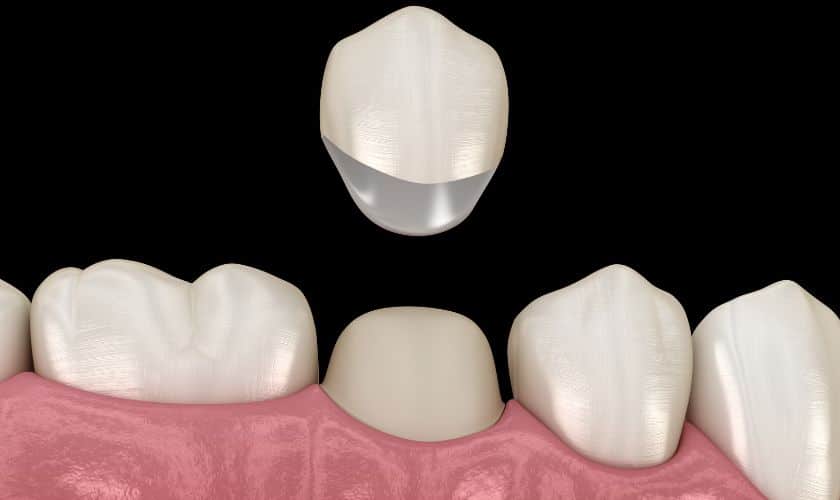
Your smile is one of your greatest assets, and if you’ve had dental crowns placed, preserving their strength and shine is essential. While dental crowns are designed to be durable, they still require proper care to maintain their optimal condition. Whether you’re new to dental crowns or looking to improve your oral care routine, this guide will walk you through simple yet powerful steps to keep your crowns and your smile looking their best.
-
Follow Your Dentist’s Post-Crown Care Plan
After receiving your dental crowns, your dentist likely provided detailed instructions specific to your needs. These guidelines might include tips on brushing techniques, what to avoid eating, and how to manage short-term sensitivity. Following this personalized care plan is the first and most important step in protecting your crowns from early damage or failure.
-
Daily Oral Hygiene Matters More Than You Think
Caring for your dental crowns starts with a consistent oral hygiene routine. Brush your teeth twice a day using a soft-bristled toothbrush and fluoride toothpaste. Flossing around the crown is equally important, as it helps prevent bacteria buildup that could compromise the natural tooth structure underneath. Water flossers are especially helpful if you’re worried about dislodging a crown with traditional string floss.
-
Be Careful With What You Eat
While dental crowns are strong, they’re not indestructible. Avoid chewing on ice, hard candies, or non-food items like pens and fingernails. These habits can cause cracks or even dislodge the crown. It’s also wise to reduce your intake of sugary and acidic foods, which can increase the risk of decay around the base of the crown and affect nearby teeth.
-
Grinding Your Teeth? Take Precautions
Bruxism — the involuntary grinding or clenching of teeth — can severely damage both natural teeth and dental crowns. If you experience this, especially during sleep, speak with your dentist about a custom nightguard. Wearing this simple appliance at night can prevent excess pressure on your crowns and help them last longer.
-
Don’t Skip Your Dental Checkups
Routine dental visits are vital to maintaining crown integrity. Your dentist will examine your bite, check for crown loosening, and professionally clean areas you may miss at home. Scheduling regular cleanings helps detect minor crown issues before they become major repairs.
-
Act Quickly if You Notice a Problem
If your crown feels loose, starts to hurt, or doesn’t look the same, don’t ignore it. These could be early signs of crown failure or hidden decay. A quick visit to your dentist can prevent more invasive procedures down the road and save your smile in the process.
Keep Your Dental Crowns Beautiful — and Functional — for the Long Run
With just a bit of awareness and consistency, your crowns can look and function like natural teeth for many years. By brushing and flossing properly, making smart food choices, wearing a nightguard if necessary, and staying on top of your dental appointments, you give your crowns the best chance at a long, healthy life.
FAQs on Dental Crown Care and Longevity
How long do dental crowns last with proper care?
Dental crowns can last anywhere from 10 to 15 years — sometimes even longer — if you maintain good oral hygiene and avoid damaging habits.
Can I eat normally with dental crowns?
Yes, but it’s wise to avoid biting hard items and sticky foods that can loosen or damage the crown.
What’s the best way to clean around a crown?
Use a soft toothbrush and floss daily. Consider a water flosser for gentle yet effective cleaning.
Are crowns susceptible to cavities?
The crown itself can’t get cavities, but the tooth underneath can — which is why hygiene and checkups are essential.
Do I need special toothpaste for dental crowns?
Not necessarily, but a non-abrasive fluoride toothpaste is ideal to protect both the crown surface and your enamel.