
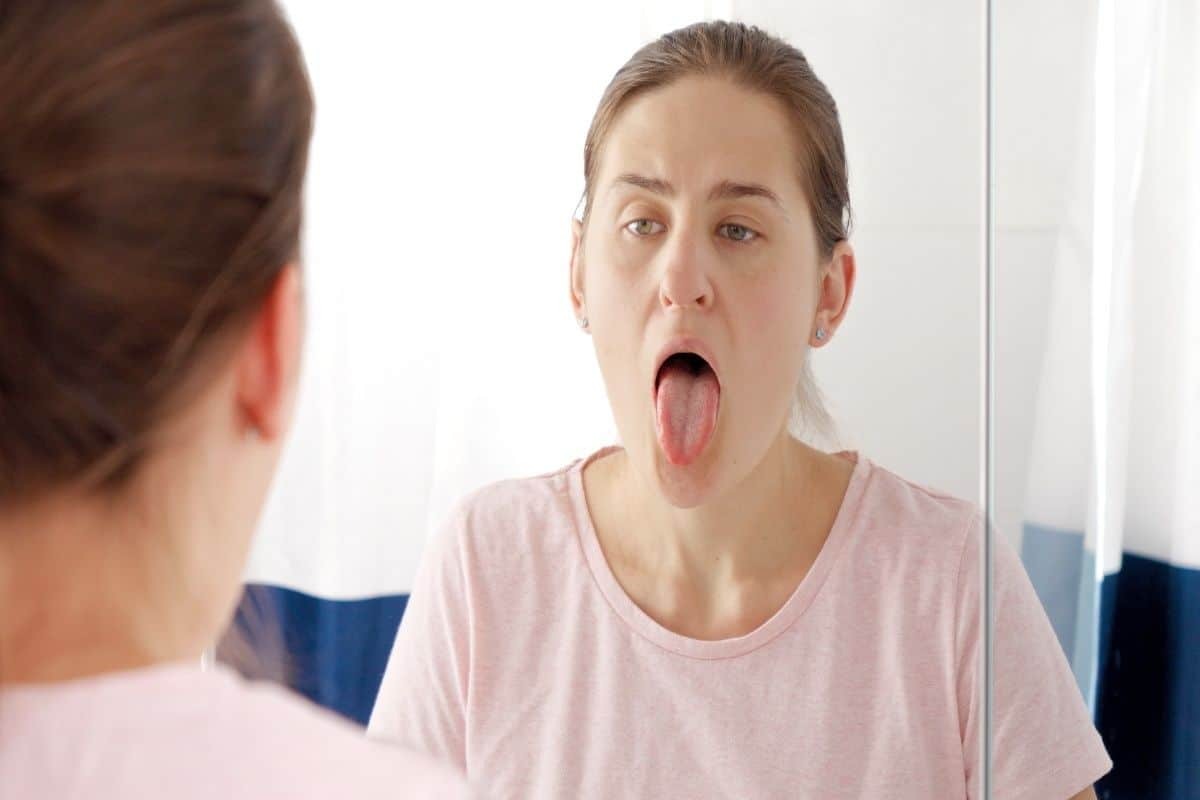
Recovering from wisdom teeth removal usually involves a few days of swelling, tenderness, and eating soft foods. But what if, instead of feeling better, you notice creamy white patches on your tongue or cheeks, a burning sensation, or an unusual taste in your mouth? These symptoms may point to oral thrush, a fungal infection caused by an overgrowth of Candida albicans.
Although oral thrush is not a routine complication of wisdom tooth surgery, it can develop under certain circumstances. Antibiotics prescribed after surgery, reduced saliva production, temporary changes in oral hygiene, certain medical conditions, smoking, or a weakened immune system can all create an environment where Candida grows more easily. The good news is that oral thrush is usually treatable when diagnosed early, and most patients recover completely with appropriate antifungal medication and good oral hygiene.
According to the Centers for Disease Control and Prevention (CDC), Candida species normally live in the mouth without causing problems, but an imbalance in the oral environment can allow the fungus to multiply. The American Dental Association (ADA) notes that maintaining good oral hygiene before and after oral surgery plays an important role in reducing infection risk. Research published in the Journal of Oral Pathology & Medicine also identifies antibiotic use, dry mouth, diabetes, smoking, denture use, and immunosuppression as major risk factors for oral candidiasis.
In this guide, you’ll learn why oral thrush may occur after wisdom teeth removal, how to recognize the symptoms, available treatment options, prevention strategies, and when it’s time to contact your dentist or oral surgeon.
What Is Oral Thrush?
Oral thrush, also called oral candidiasis, is a fungal infection caused by the overgrowth of Candida albicans.
Small amounts of Candida normally live in the mouth alongside healthy bacteria. Under normal conditions, these microorganisms remain balanced. However, when that balance is disrupted, the fungus can multiply rapidly and produce noticeable symptoms.
Oral thrush commonly affects:
- The tongue
- Inside of the cheeks
- Roof of the mouth
- Gums
- Throat (in some cases)
Most healthy adults recover quickly with proper treatment.
Wisdom Teeth Removal and Recovery Statistics
Wisdom tooth extraction is one of the most frequently performed oral surgery procedures in the United States.
Key statistics include:
- The American Association of Oral and Maxillofacial Surgeons (AAOMS) reports that approximately 10 million wisdom teeth are removed from about 5 million people in the United States each year.
- Studies published in the Journal of Oral and Maxillofacial Surgery show that most patients heal without significant complications when post-operative instructions are followed.
- According to the Centers for Disease Control and Prevention (CDC), Candida organisms normally live in the mouth, but certain conditions—including antibiotic use and weakened immunity—can lead to fungal overgrowth.
- Research in the Journal of Oral Pathology & Medicine identifies antibiotics, dry mouth, diabetes, tobacco use, and immunosuppression as common risk factors for oral candidiasis.
These findings show that while oral thrush after wisdom tooth removal is relatively uncommon, it is a recognized condition that can occur under the right circumstances.
Why Can Oral Thrush Develop After Wisdom Teeth Removal?
Wisdom tooth surgery itself does not directly cause oral thrush.
Instead, several factors associated with recovery may increase the likelihood of fungal overgrowth.
Antibiotic Use
Antibiotics may reduce the number of beneficial bacteria in the mouth.
Without these protective bacteria, Candida can multiply more easily.
Dry Mouth
Temporary dehydration or reduced saliva production after surgery creates an environment that favors fungal growth.
Saliva naturally helps control bacteria and fungi.
Difficulty Brushing
After surgery, patients may avoid brushing near the extraction sites because of discomfort.
This temporary reduction in oral hygiene may allow microorganisms to accumulate.
Smoking or Vaping
Tobacco and nicotine products may:
- Slow healing
- Irritate oral tissues
- Alter the balance of oral microorganisms
These effects may increase susceptibility to infections.
Weakened Immune System
Individuals with:
- Diabetes
- Cancer treatment
- HIV
- Immunosuppressive medications
have a higher risk of developing oral candidiasis.
Symptoms of Oral Thrush
Common symptoms include:
- Creamy white patches on the tongue or cheeks
- White coating that may wipe away and leave redness underneath
- Burning sensation
- Mouth soreness
- Cotton-like feeling
- Loss of taste
- Cracking at the corners of the mouth
- Pain while eating spicy or acidic foods
Symptoms often develop several days after surgery rather than immediately.
How Is Oral Thrush Diagnosed?
Your dentist or oral surgeon usually diagnoses oral thrush through a clinical examination.
They may evaluate:
- Appearance of white patches
- Medical history
- Recent antibiotic use
- Current medications
- Overall health
Laboratory testing is rarely needed for uncomplicated cases.
How To Treat Oral Thrush After Wisdom Teeth Removal
Treatment focuses on eliminating the fungal overgrowth while supporting normal healing.
1. Prescription Antifungal Medication
Dentists commonly prescribe medications such as:
- Nystatin oral suspension
- Clotrimazole troches
- Miconazole oral gel
- Fluconazole tablets (for more extensive infections)
These medications should only be used under the guidance of a healthcare professional.
2. Maintain Excellent Oral Hygiene
Continue brushing gently with a soft-bristled toothbrush while avoiding trauma to the extraction site.
Once your dentist recommends it, resume your normal oral hygiene routine.
3. Stay Hydrated
Drinking plenty of water helps:
- Reduce dry mouth
- Support saliva production
- Promote overall healing
Avoid sugary beverages whenever possible.
4. Rinse as Directed
Your dentist may recommend:
- Warm saltwater rinses after the first 24 hours
- Prescription antimicrobial rinses when appropriate
Do not use mouthwash unless your dental provider advises it, especially immediately after surgery.
5. Eat a Balanced Diet
Choose soft, nutritious foods such as:
- Yogurt with live cultures (if approved by your provider)
- Mashed potatoes
- Scrambled eggs
- Applesauce
- Smooth soups (cooled)
- Cottage cheese
Proper nutrition supports tissue repair and immune function.
Can Probiotics Help?
Some research suggests probiotics may help restore the balance of beneficial bacteria after antibiotic use.
However, evidence remains mixed, and probiotics should not replace antifungal medications when oral thrush is present.
Talk with your trusted local Scottsdale dentist or physician before starting supplements.
How Long Does Oral Thrush Last?
With appropriate treatment, many cases improve within 7 to 14 days.
Recovery depends on:
- Overall health
- Severity of infection
- Medication adherence
- Management of underlying risk factors
Follow-up visits may be necessary if symptoms persist.
Preventing Oral Thrush After Oral Surgery
Simple preventive habits include:
- Following all post-operative instructions.
- Taking antibiotics only as prescribed.
- Staying hydrated.
- Brushing gently after surgery when instructed.
- Avoiding tobacco products.
- Managing diabetes effectively.
- Attending follow-up appointments.
Good oral hygiene remains one of the best preventive measures.
When Should You Contact Your Dentist?
Call your dentist or oral surgeon if you notice:
- Thick white patches that continue spreading
- Severe mouth pain
- Difficulty swallowing
- Fever
- Persistent bad taste
- Symptoms lasting longer than two weeks
- Worsening swelling or drainage
Prompt treatment helps prevent complications and supports faster recovery.
Common Myths About Oral Thrush
Myth 1: Oral Thrush Means the Surgery Went Wrong
Fact: Oral thrush is usually related to changes in the oral environment, antibiotic use, or underlying risk factors—not a surgical error.
Myth 2: White Patches Always Mean Thrush.
Fact: White patches can result from several conditions, including healing tissue, food debris, leukoplakia, or other oral diseases.
A dental examination is necessary for an accurate diagnosis.
Myth 3: Oral Thrush Goes Away Without Treatment
Fact: Sometimes mild cases improve, but many require prescription antifungal medication.
Delaying treatment may allow symptoms to worsen or persist.
Conclusion
Although oral thrush is not a common complication of wisdom teeth removal, it can occur when factors such as antibiotics, dry mouth, temporary changes in oral hygiene, smoking, or certain medical conditions disrupt the natural balance of microorganisms in the mouth. Recognizing the early signs—such as creamy white patches, soreness, burning, or changes in taste—allows you to seek treatment before the infection becomes more uncomfortable.
Most cases respond well to prescription antifungal medications, good oral hygiene, adequate hydration, and careful adherence to your dentist’s post-operative instructions. If your symptoms persist, worsen, or are accompanied by fever or difficulty swallowing, contact your dental provider promptly. With early diagnosis and proper care, most patients recover fully and continue healing from wisdom tooth surgery without long-term complications.
Frequently Asked Questions
- Is oral thrush common after wisdom teeth removal?
No. Oral thrush is considered an uncommon complication, but it can develop when factors such as antibiotic use, dry mouth, smoking, diabetes, or a weakened immune system encourage fungal overgrowth.
- What does oral thrush look like after tooth extraction?
It often appears as creamy white patches on the tongue, inside the cheeks, gums, or roof of the mouth. The tissue underneath may appear red and sore if the patches are gently removed.
- Can antibiotics cause oral thrush?
Yes. Antibiotics can reduce the number of beneficial bacteria in the mouth, allowing Candida fungi to multiply more easily in some individuals.
- How is oral thrush treated?
Treatment usually involves prescription antifungal medications, maintaining good oral hygiene, staying hydrated, and addressing any contributing factors such as dry mouth or uncontrolled diabetes.
- When should I call my dentist?
Contact your dentist if you develop spreading white patches, severe mouth pain, difficulty swallowing, persistent symptoms lasting more than two weeks, fever, or worsening swelling after surgery.