
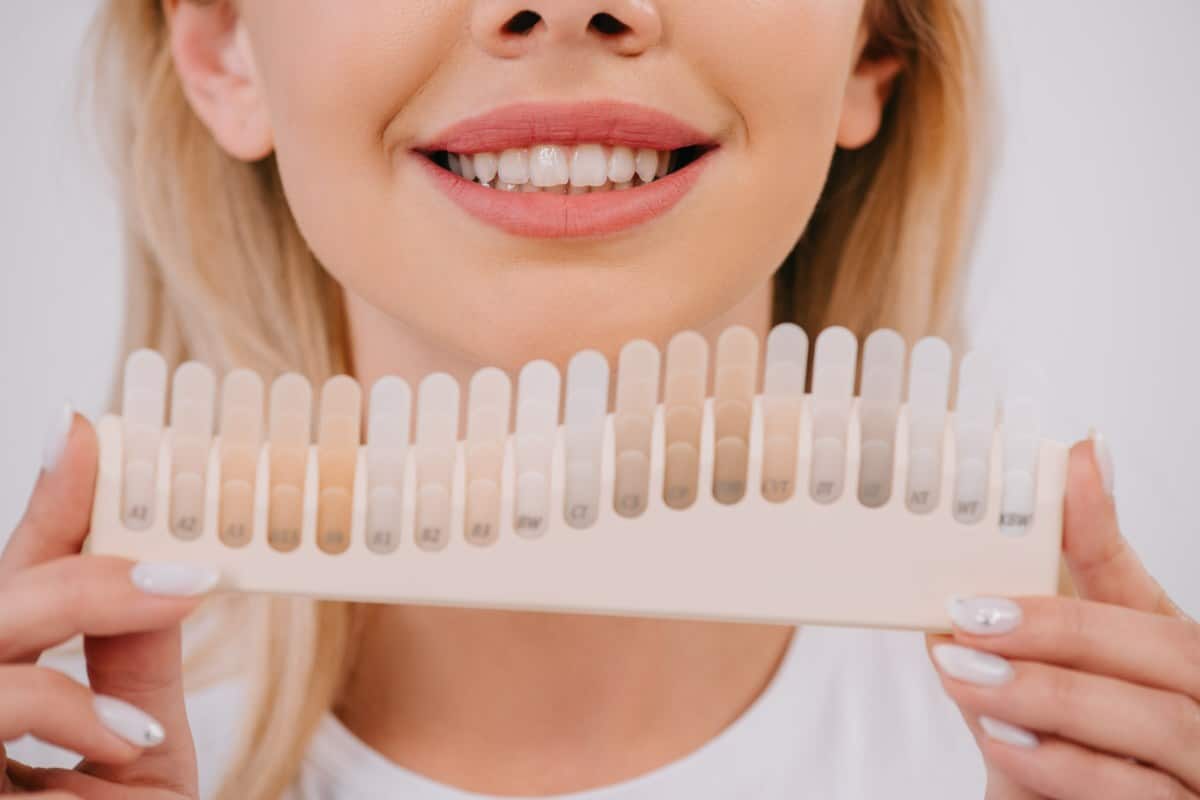
Have you noticed a small chip in your front tooth, uneven edges, discoloration, or gaps that make you hesitant to show your teeth? Cosmetic dentistry offers several ways to improve your teeth’s appearance, but choosing the right treatment can be confusing. Two common options are dental bonding and porcelain veneers. Both can address cosmetic imperfections, but they differ in materials, preparation, durability, maintenance, and cost.
If you live in Scottsdale, AZ, and are considering improving your teeth’s appearance, you may be wondering whether dental bonding or porcelain veneers would better suit your needs. Do you want a quicker, more conservative treatment, or a longer-lasting cosmetic option?
At Kind Family Dentistry, Dr. Daniel Kovacik helps patients understand their cosmetic dental treatment in Scottsdale based on their dental condition, goals, and oral health. Understanding the differences between bonding and veneers can help you have a more productive conversation with your dentist and make a confident decision.
What Is Dental Bonding?
Dental bonding is a cosmetic dental procedure that uses tooth-colored composite resin to improve the appearance of natural teeth. The material is applied directly to the tooth, shaped to correct the imperfection, and hardened with a special curing light. Your dentist then polishes the surface to create a natural-looking finish.
Dental bonding is commonly used to repair minor chips, close small gaps, improve uneven tooth edges, and cover certain discolorations. It can also make slightly misshapen teeth appear more balanced.
One of the main advantages of bonding is that it usually requires little or no removal of natural tooth enamel. In many cases, the procedure can be completed in a single dental appointment.
Benefits of Dental Bonding
Dental bonding offers several advantages for patients who want to improve minor cosmetic concerns without extensive dental preparation.
- Conservative treatment: Bonding generally preserves more natural tooth structure than porcelain veneers.
- Convenient appointments: Many bonding procedures can be completed in one visit.
- Natural appearance: Composite resin can be matched to the surrounding teeth.
- Versatility: It can repair chips, reshape edges, and improve the appearance of small gaps.
- Repairability: You can often repair minor damage by adding or reshaping composite resin.
- Lower initial cost: Bonding generally costs less per tooth than porcelain veneers.
However, bonding is not suitable for every cosmetic concern. It may not resist staining or wear as well as porcelain, and it may require more frequent maintenance.
What Are Porcelain Veneers?
Porcelain veneers are thin, custom-made shells designed to cover the front surfaces of teeth. A dental laboratory or an appropriate digital workflow creates them, and they are bonded to prepared teeth.
Veneers can improve several cosmetic concerns, including persistent discoloration, worn edges, uneven tooth shapes, minor spacing issues, and certain alignment concerns. Because porcelain reflects light like natural enamel, veneers can look realistic when properly designed and placed.
Unlike composite bonding, traditional porcelain veneers usually require some enamel removal to create space for the restoration. This preparation is generally irreversible, making the decision an important one to discuss with your dentist.
Benefits of Porcelain Veneers
Porcelain veneers may suit patients seeking more comprehensive cosmetic improvement.
- Stain resistance: Porcelain is generally more stain-resistant than composite resin.
- Natural appearance: Their translucency can closely resemble natural tooth enamel.
- Durability: Well-maintained porcelain veneers can last many years.
- Shape and size correction: They can create a more uniform appearance across multiple teeth.
- Multiple cosmetic improvements: Veneers can address several visible imperfections at once.
Although veneers can offer excellent cosmetic results, they require careful planning, healthy supporting teeth, and a commitment to long-term maintenance.
Dental Bonding vs. Porcelain Veneers: Key Differences
Although both treatments improve the appearance of natural teeth, they are not interchangeable. Understanding the differences can help you decide which option to consider.
1. Materials Used
Dental bonding uses composite resin, a tooth-colored material that your dentist applies directly to the tooth. Its shade and shape can be adjusted during the procedure.
Porcelain veneers are fabricated from dental ceramic and customized to fit the prepared tooth. Porcelain offers a glass-like appearance and is generally more resistant to surface staining.
The choice depends on the desired appearance, the tooth’s location, and the amount of correction needed.
2. Treatment Time
Dental bonding is usually faster because you apply and shape the composite resin directly on the tooth. A straightforward treatment may be completed during one appointment.
Porcelain veneers generally involve additional planning and laboratory or digital fabrication. Traditional treatment may require an initial preparation appointment followed by another appointment for placement.
If you want to correct a small chip before an upcoming event, bonding may be a convenient option. If you are planning a more extensive cosmetic change, veneers may be worth discussing.
3. Tooth Preparation
One of the most important differences is how much natural tooth structure must be altered.
Bonding typically requires minimal preparation. Your dentist may lightly roughen the tooth surface or use a conditioning solution to help the resin adhere.
Traditional porcelain veneers usually require removing a small amount of enamel. This makes room for the veneer and helps achieve a natural contour without making the tooth appear bulky.
Because enamel removal is generally irreversible, patients should understand the preparation requirements before choosing veneers.
4. Appearance and Color
Both treatments can produce attractive results, but they have different aesthetic characteristics.
Composite bonding can be carefully shaped and color-matched to surrounding teeth. However, composite resin may gradually lose its original polish or become stained from coffee, tea, red wine, and tobacco.
Porcelain veneers offer excellent color stability and translucency. They can be customized to complement facial features and neighboring teeth.
Don’t automatically choose a treatment based on the brightest shade available. A natural-looking result should complement the patient’s existing teeth and overall appearance.
5. Durability and Lifespan
Dental bonding is generally less durable than porcelain veneers, particularly on teeth exposed to significant biting forces.
A clinical review of direct composite restorations reported that performance varies by restoration size, location, patient habits, and clinical technique.
Porcelain veneers generally have a longer service life. A systematic review published in the Journal of Dentistry found high long-term survival rates for porcelain laminate veneers, with approximately 95% survival at 10 years in the analyzed studies.
These figures reflect research outcomes, not a guarantee for individual patients. Grinding, biting hard objects, poor oral hygiene, and accidental trauma can shorten the lifespan of either treatment.
6. Stain Resistance
If you regularly drink coffee, tea, or other dark-colored beverages, stain resistance may matter.
Composite resin can absorb or accumulate surface stains over time. Professional polishing may improve its appearance, although some discoloration may require replacement or repair.
Porcelain is less porous and generally maintains its color more effectively. However, the natural teeth surrounding veneers can still become discolored, creating a difference in appearance.
7. Cost Considerations
Dental bonding generally has a lower upfront cost than porcelain veneers. This makes it an appealing option for patients who need minor repairs or want to improve a limited number of teeth.
Porcelain veneers typically cost more because they require custom fabrication, laboratory work, preparation, and placement.
The actual cost depends on the number of teeth treated, the materials selected, the procedure’s complexity, and the patient’s dental needs. Insurance coverage also varies, as many plans classify purely cosmetic procedures as elective.
Ask your dental office for a personalized estimate before beginning treatment.
When Is Dental Bonding the Better Choice?
Dental bonding may be a practical choice when your cosmetic concerns are relatively minor, and your natural teeth are otherwise healthy.
You may benefit from discussing bonding if you have:
- A small chip on a front tooth.
- Minor gaps between neighboring teeth.
- Slightly uneven or irregular tooth edges.
- Small areas of discoloration.
- Minor shape differences between teeth.
- A preference for conservative treatment.
For example, someone with a small chip caused by accidentally biting a hard object may not need a full porcelain veneer. Composite bonding may restore the missing portion while preserving most of the natural tooth.
However, bonding may not be the best solution for extensive damage, severe discoloration, or teeth exposed to heavy grinding forces.
When Are Porcelain Veneers the Better Choice?
Porcelain veneers may be worth considering when multiple visible cosmetic concerns need attention.
They may be appropriate for patients with:
- Persistent discoloration that does not respond to whitening.
- Noticeably worn or uneven front teeth.
- Several teeth with cosmetic shape irregularities.
- Minor gaps between teeth.
- Cosmetic concerns involving multiple front teeth.
- A preference for a stain-resistant restoration.
For instance, if several front teeth have different shapes, worn edges, and stubborn discoloration, veneers may provide a more consistent cosmetic result.
However, veneers are not a substitute for orthodontic treatment when significant bite or alignment problems are present. Your dentist should evaluate your bite, gum health, and enamel condition before recommending them.
Can Dental Bonding and Porcelain Veneers Be Combined?
Yes. Some patients may benefit from combining dental bonding and porcelain veneers.
For example, porcelain veneers may be considered for several front teeth that require more substantial cosmetic correction, while bonding may be used to repair a small chip on another tooth.
Combining treatments can help preserve natural tooth structure where possible while addressing more complex cosmetic concerns elsewhere.
The treatment plan should account for tooth color, shape, bite alignment, and how the restorations will work together. Your dentist can determine whether combining these procedures is appropriate.
How Can You Make Your Dental Bonding or Veneers Last Longer?
Regardless of the cosmetic treatment you choose, daily oral care and regular dental visits play an important role in protecting your results.
Consider these habits:
- Brush twice daily: Use a soft-bristled toothbrush and fluoride toothpaste to clean your teeth without unnecessary abrasion.
- Floss every day: Cleaning between teeth helps remove plaque and food particles that brushing may miss.
- Avoid biting hard objects: Don’t use your teeth to open packages, bite your nails, or chew ice. These habits can damage both composite and porcelain restorations.
- Limit stain-producing habits: Coffee, tea, red wine, and tobacco can affect the appearance of composite bonding and surrounding natural teeth.
- Wear a night guard when recommended: Patients who grind or clench their teeth may need a custom night guard to protect their restorations.
- Schedule routine dental checkups: Regular examinations allow your dentist to monitor the condition of bonding, veneers, gums, and surrounding teeth.
With proper care, both treatments can provide satisfying cosmetic improvements. However, neither option is maintenance-free, and repairs or replacement may eventually become necessary.
Choosing the Right Cosmetic Dental Treatment at Kind Family Dentistry
The best choice between dental bonding and porcelain veneers depends on more than appearance alone. Your enamel condition, existing restorations, gum health, bite alignment, and cosmetic expectations all matter.
At Kind Family Dentistry, Dr. Daniel Kovacik can evaluate your teeth and discuss the advantages and limitations of each treatment. During your consultation, you can explain what you want to improve and learn whether bonding, porcelain veneers, or another cosmetic treatment is right for you.
Patients in Scottsdale, AZ, can discuss treatment planning, expected longevity, maintenance requirements, and estimated costs before deciding.
The goal is to choose an approach that improves your teeth’s appearance while protecting your long-term oral health.
Conclusion
Dental bonding and porcelain veneers are two effective cosmetic dentistry options, but each serves different needs. Bonding is generally more conservative, affordable, and convenient for repairing minor imperfections. Porcelain veneers offer greater stain resistance, a highly customized appearance, and potentially longer-lasting results for more extensive cosmetic concerns.
Before deciding, consider your dental condition, treatment expectations, budget, and willingness to maintain the restorations. A professional exam is the best way to determine which option suits your teeth.
At Kind Family Dentistry, Dr. Daniel Kovacik is available to help you understand your cosmetic dentistry options and develop a treatment plan based on your needs.
Visit our dental practice in Scottsdale, AZ. Book now to schedule your appointment with our team.
Frequently Asked Questions
1. What dental services can I receive at Kind Family Dentistry?
Kind Family Dentistry provides dental care based on patients’ oral health needs and treatment goals. You can consult our dentist about preventive, restorative, and cosmetic dental services and discuss which options fit your situation.
2. How do I schedule a dental appointment in Scottsdale, AZ?
Scheduling an appointment is a straightforward way to begin addressing your dental concerns. Contact Kind Family Dentistry to arrange a visit with our dentist, discuss your needs, and learn about available appointment times.
3. Does Kind Family Dentistry provide personalized dental treatment plans?
Yes. Dental treatment recommendations should reflect each patient’s oral health, dental history, and personal goals. Our dentist evaluates individual needs and discusses suitable treatment options before proceeding.
4. How often should I visit my dentist for a dental checkup?
Many patients benefit from dental examinations and professional cleanings every six months. However, the recommended schedule depends on your oral health, gum condition, cavity history, and individual risk factors. Our dentist can recommend an appropriate visit frequency.
5. What should I bring to my first dental appointment?
Bring any available dental insurance information, identification, a list of medications, and relevant dental records or recent X-rays if available. Sharing your dental history and concerns can help our dentist better understand your needs and discuss appropriate care.