
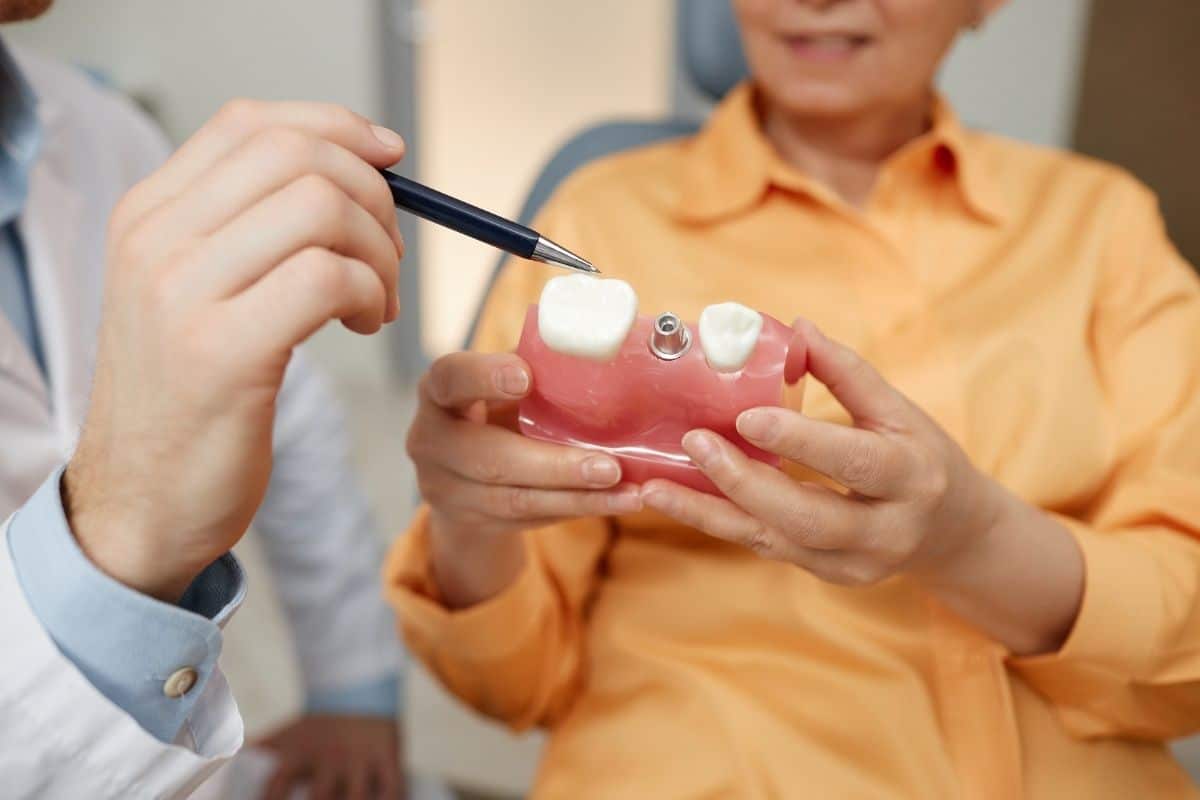
You finally got your dental implants, and now the healing process begins. But if you love buffalo wings, hot salsa, spicy curry, or jalapeños, you may be wondering: “Can I eat spicy food after dental implants?”
The short answer is no — at least not immediately after surgery.
Spicy foods can irritate healing gums, increase inflammation, trigger burning sensations, and make recovery more uncomfortable during the critical healing phase after implant placement. While dental implants themselves are made from durable materials like titanium or zirconia, the surrounding gum tissue and bone need time to heal properly before returning to spicy meals.
Dental implants have become one of the most popular tooth replacement options in the United States. According to the American Academy of Implant Dentistry, more than 3 million Americans currently have dental implants, and that number continues growing by approximately 500,000 implants each year. As implant procedures become more common, proper recovery and diet instructions are increasingly important for long-term success.
In this guide, we’ll explain:
- Why are spicy foods discouraged after dental implant surgery
- How long should you avoid spicy meals
- What foods are safest during healing
- Risks of eating spicy food too early
- Recovery tips for protecting your dental implants
Why Are Spicy Foods Bad After Dental Implant Surgery?
After dental implant surgery in Scottsdale, your gums and jawbone begin a healing process called osseointegration. During this stage, the implant fuses with the surrounding bone to create a stable foundation for the replacement tooth.
Healing tissues are extremely sensitive during the first few days and weeks after surgery.
Spicy foods contain compounds like capsaicin — the chemical responsible for the “heat” in peppers. Capsaicin stimulates nerve endings and may cause:
- Burning sensations
- Gum irritation
- Increased inflammation
- Pain around the implant site
- Delayed comfort during recovery
Several dental recovery sources recommend avoiding spicy foods because they can irritate surgical tissues and worsen inflammation after implant placement.
What Happens If You Eat Spicy Food Too Soon?
Eating spicy food too early after implant surgery may not always ruin the implant, but it can create unnecessary complications and discomfort.
Increased Gum Irritation
Fresh surgical sites are highly sensitive. Hot peppers, spicy sauces, and strong seasonings may sting healing tissues and make recovery painful.
Patients commonly describe:
- Burning around the implant
- Throbbing discomfort
- Increased tenderness
- Gum sensitivity
Spicy Foods May Increase Inflammation
Inflammation is a natural part of healing, but excessive irritation can worsen swelling and discomfort.
Dental recovery guidance notes that spicy foods can aggravate healing gums and may slow recovery by increasing inflammation around the implant site.
This is especially important during the first week after surgery when tissues are most vulnerable.
Eating Spicy Food Can Make Oral Hygiene More Difficult
After implant surgery, keeping the area clean is essential for preventing infection.
However, if spicy foods cause pain or burning:
- Patients may avoid brushing properly
- Rinsing becomes uncomfortable
- Bacteria may accumulate more easily
This increases the risk of:
- Gum irritation
- Infection
- Delayed healing
Can Spicy Foods Cause Dental Implant Failure?
Spicy foods alone are unlikely to directly cause implant failure, but poor healing conditions can increase complications.
According to the American Academy of Implant Dentistry, successful osseointegration depends heavily on healthy tissue healing and reduced inflammation during recovery.
Complications become more likely when patients:
- Smoke
- Eat irritating foods too early
- Ignore aftercare instructions
- Develop infections
- Apply too much pressure while chewing
Protecting healing tissue improves the chances of long-term implant success.
How Long Should You Avoid Spicy Food After Dental Implants?
The timeline varies depending on:
- Number of implants placed
- Bone grafting procedures
- Individual healing speed
- Gum sensitivity
- Dentist recommendations
However, many dental professionals recommend the following general timeline.
First 1–3 Days: Avoid All Spicy Foods
This is the most sensitive healing phase.
Patients should focus on:
- Cool foods
- Soft foods
- Bland meals
- Hydration
Dental implant recovery guides consistently recommend avoiding spicy foods during the first several days because tissues are extremely vulnerable to irritation.
First 1–2 Weeks: Continue a Mild Diet
During the first couple of weeks:
- Gum tissues are still healing
- Swelling may continue
- Sutures may still be present
Spicy foods can still cause discomfort during this stage.
Many implant specialists recommend maintaining mild foods until tenderness significantly improves.
Around 3–6 Weeks: Gradual Reintroduction
Some patients can slowly begin reintroducing mild spices after several weeks if healing progresses normally.
A Scottsdale dental recovery article suggests many patients can cautiously return to spicier foods after about 4–6 weeks, depending on healing progress.
However, every patient heals differently.
Always follow your dentist’s specific instructions.
What Foods Should You Eat After Dental Implant Surgery?
Soft, nutritious foods help promote healing while protecting the surgical site.
Recommended Foods
Good options include:
- Yogurt
- Applesauce
- Mashed potatoes
- Scrambled eggs
- Oatmeal
- Smoothies eaten with a spoon
- Soft pasta
- Soup (lukewarm, not hot)
- Cottage cheese
- Protein shakes
These foods place minimal pressure on healing tissues.
A YouTube video explaining dental recovery recommends soft, non-spicy, and non-hot foods immediately after implant surgery to reduce irritation and improve comfort.
Foods to Avoid After Dental Implants
In addition to spicy foods, dentists commonly recommend avoiding:
Hard Foods
- Nuts
- Chips
- Popcorn
- Ice
- Hard candy
Sticky Foods
- Caramel
- Taffy
- Gum
Acidic Foods
- Citrus fruits
- Vinegar-heavy foods
- Tomato sauces
Very Hot Foods and Drinks
- Hot coffee
- Boiling soup
- Hot tea
These foods may irritate tissues, increase swelling, or disrupt healing.
Why Heat Matters Along With Spice
Temperature matters just as much as seasoning.
Hot foods can:
- Increase blood flow
- Trigger bleeding
- Increase swelling
- Cause discomfort
Several dental recovery sources recommend sticking with lukewarm or cool foods during the early healing phase.
Dental Implant Recovery Stages
Understanding healing stages helps explain why food restrictions matter.
Initial Healing (First Week)
During this stage:
- Blood clots form
- Gum tissue begins closing
- Swelling peaks
The area is highly sensitive.
Early Bone Integration (Weeks 2–6)
Bone begins integrating with the implant surface.
Patients often feel better, but internal healing continues.
Osseointegration Phase (Several Months)
The implant gradually fuses completely with the jawbone.
This stage is critical for long-term implant stability.
Research on implant healing shows that bone-to-implant contact continues improving over time during osseointegration.
What If You Accidentally Eat Spicy Food?
Don’t panic.
A small amount of spicy food usually will not destroy the implant.
However, monitor for:
- Increased pain
- Burning
- Bleeding
- Swelling
- Persistent irritation
If symptoms worsen, contact your local certified Scottsdale dentist.
Rinsing gently with cool salt water may help soothe irritation.
Smoking and Alcohol Make Recovery Worse
Spicy food is not the only concern after implant surgery.
Smoking and alcohol significantly increase healing risks.
They may:
- Reduce blood flow
- Delay tissue repair
- Increase infection risk
- Raise implant failure rates
Many dental implant recovery guides strongly recommend avoiding smoking and alcohol during healing.
How Successful Are Dental Implants?
Dental implants are considered one of the most successful dental procedures available today.
According to multiple dental organizations, implant success rates often exceed 95% when patients follow proper oral hygiene and post-operative instructions.
Success depends on:
- Healthy bone support
- Good oral hygiene
- Avoiding infection
- Proper healing habits
Following dietary instructions is an important part of that process.
Tips for Faster Dental Implant Healing
To support implant recovery:
- Eat soft foods
- Avoid spicy foods initially
- Stay hydrated
- Avoid smoking
- Sleep with your head elevated
- Follow cleaning instructions carefully
- Attend follow-up appointments
These habits help reduce complications and improve comfort.
When Should You Call Your Dentist?
Contact your dentist if you experience:
- Severe swelling
- Fever
- Persistent bleeding
- Pus
- Worsening pain
- Loose implant feeling
- Difficulty swallowing
These symptoms may indicate infection or healing complications.
Conclusion
Spicy foods are best avoided immediately after dental implant surgery because they can irritate healing gums, increase inflammation, and make recovery more uncomfortable. While spicy meals alone rarely cause implant failure, they may interfere with the delicate healing process that allows implants to fuse properly with the jawbone.
Most dentists recommend sticking to soft, mild foods for at least the first several days and gradually reintroducing spices only after healing improves. Every patient heals differently, so following your dentist’s personalized recovery instructions is essential.
Dental implants are a long-term investment in your oral health and smile. Taking extra care during the healing phase — including avoiding spicy foods temporarily — can help protect that investment and improve your chances of long-term success.
Frequently Asked Questions
- Can spicy food damage dental implants?
Spicy food usually does not directly damage the implant itself, but it can irritate healing gums and increase post-surgery inflammation.
- How long should I avoid spicy food after dental implants?
Many dentists recommend avoiding spicy foods for at least 1–2 weeks, though some patients may need longer depending on healing progress.
- What foods are safest after dental implant surgery?
Soft foods like yogurt, mashed potatoes, oatmeal, eggs, smoothies, and lukewarm soup are commonly recommended after implant placement.
- Can spicy food cause implant failure?
Spicy food alone rarely causes implant failure, but excessive irritation and poor healing conditions may increase complication risks.
- When can I eat normally again after dental implants?
Many patients gradually resume more normal eating within several weeks, though complete healing and osseointegration may take several months.