
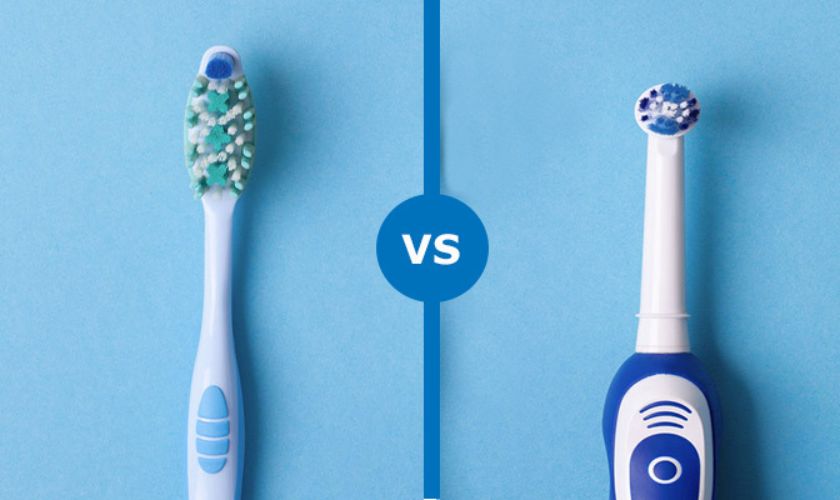
Electric toothbrushes have been around for years, but is there any benefit to using one over a manual brush? This article will explore the pros and cons of both electric and manual toothbrushes so that you can make an informed decision on which type is best for your oral hygiene.
Introduction
When talking about dental hygiene, one of the most basic questions is whether electric toothbrushes are better than manual ones. Are they? This article will explore the pros and cons of both types of toothbrushes so that you can make an informed decision on which type is best for your own needs. If you’re looking for guidance on maintaining optimal oral health, our dentist in Scottsdale can provide personalized recommendations.
Advantages of Electric Toothbrushes
Electric toothbrushes offer several benefits compared to manual brushes. Generally, they are more powerful and offer superior cleaning power. In addition, they can often be programmed with timers and pressure sensors, making them even easier to use correctly.
More Efficient Cleaning
Electric toothbrushes use powerful motors and oscillating heads to provide a more thorough clean than manual brushing. This means that the bristles can reach deep into crevices, cleaning plaque away more effectively and reducing the risk of gum disease and cavities.
Timers and Pressure Sensors
Many electric toothbrushes come with built-in timers and pressure sensors, which can help to ensure that brushing is done for the correct amount of time and with the right amount of pressure. This makes it easier to achieve a good standard of oral hygiene without having to guess or worry about whether you’re doing it correctly.
Easy To Use
Electric toothbrushes are also much easier to use than manual brushes. Many of them come with ergonomic handles, and their heads are generally much larger, making it easier to brush without having to contort your hand into awkward positions.
Disadvantages of Electric Toothbrushes
Although electric toothbrushes do have some advantages over manual ones, they also come with some disadvantages. Generally, they are more expensive and require more maintenance than manual brushes.
Costly
Electric toothbrushes are generally much more expensive than manual ones, and the cost of replacement heads can quickly add up over time. In addition, many electric toothbrushes require batteries or special chargers, which can also add to the overall cost.
Maintenance
Electric toothbrushes require more maintenance than manual brushes, as their heads need to be changed regularly, and they need to be kept clean and dry. This added maintenance can be inconvenient for some people and may make electric toothbrushes less attractive than traditional options.
Noise Levels
Electric toothbrushes can be quite loud, which can make them less than ideal for people who are sensitive to noise. This is especially true of powerful electric toothbrushes that use high-speed motors and oscillating heads.
Conclusion
Both electric and manual toothbrushes have their advantages and disadvantages, and the type that is right for you will depend on your own needs. Electric toothbrushes are generally more powerful and offer superior cleaning power, but they can also be more expensive and require more maintenance. Manual toothbrushes are cheaper and easier to maintain but may not provide as thorough of a clean as electric toothbrushes. Ultimately, the decision of which type is best for you is a personal one.
At our dental practice in Scottsdale, we emphasize personalized care to ensure every patient receives the best guidance for their oral health needs.