
Dental fillings are a common solution for restoring teeth affected by cavities or damage. But how long do they last? While fillings aren’t permanent, their longevity varies based on several factors. Whether you’re getting your first filling or replacing an old one, understanding the lifespan of dental fillings can help you maintain a healthy smile.
In this blog, we’ll explore the five key factors that determine how long your dental fillings can last and what you can do to extend their life. If you’re in Scottsdale, our team at Kind Family Dentistry is here to guide you through the process of dental care and provide durable dental fillings in Scottsdale.
1. Material of the Filling
The type of material used for your dental filling is one of the biggest factors that determine its lifespan. There are a few common materials that dentists use, each with its own durability:
- Composite Fillings: These tooth-colored fillings are designed to blend seamlessly with your natural teeth. While aesthetically pleasing, they typically last around 5 to 7 years. However, with proper care, they may last even longer.
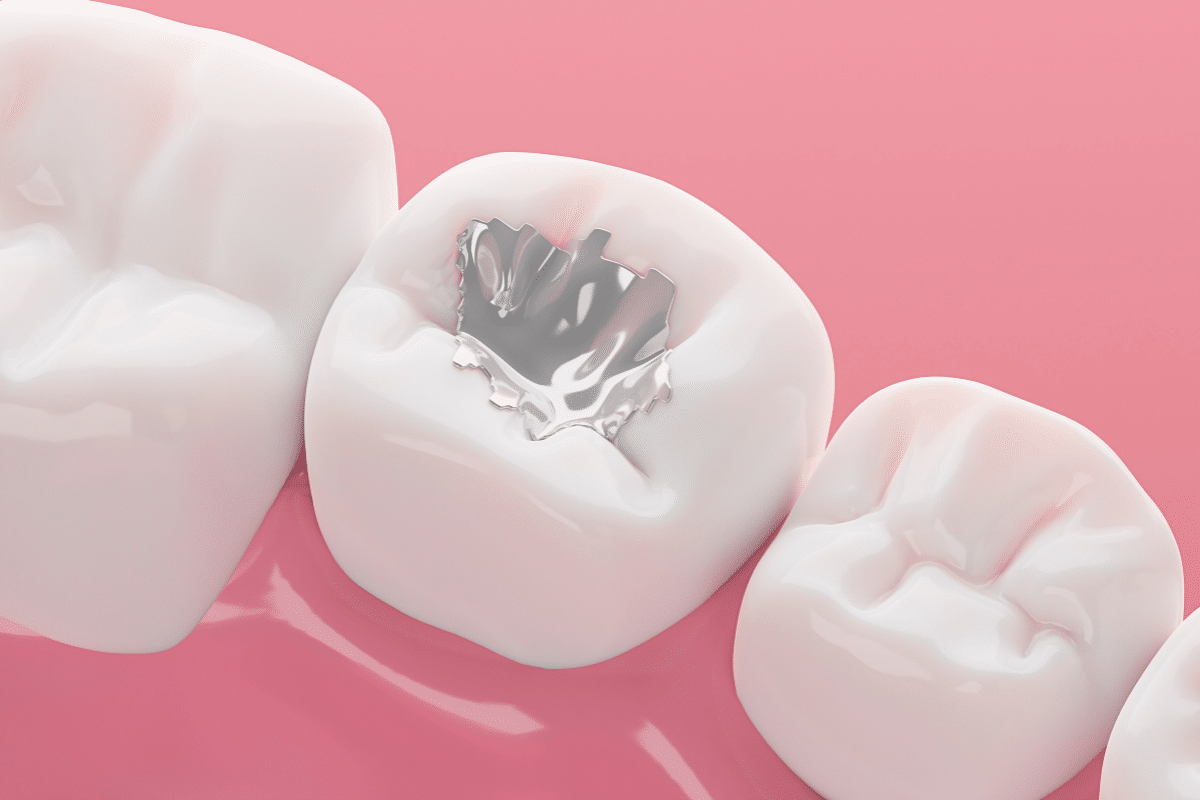
- Amalgam Fillings: Amalgam, or silver fillings, are more durable and can last up to 10-15 years. They’re highly resistant to wear but aren’t as natural-looking as composite fillings.
- Ceramic Fillings: These offer a natural appearance like composite but tend to last a bit longer, up to 15 years, with good care. However, they are more expensive than other options.
- Gold Fillings: Gold fillings are incredibly durable, often lasting 20 years or more. While strong, they are less commonly used due to their cost and noticeable appearance.
If you’re wondering which material is right for you, consulting with our dentist in Scottsdale can help determine the best fit based on your lifestyle and preferences.
2. Location of the Filling
The position of the filling in your mouth plays a big role in how long it will last. Fillings in areas that experience more pressure from chewing, like the molars, are more prone to wear and tear. These fillings may break down faster compared to those in less stressed areas.
For instance, dental fillings located on the front teeth tend to last longer because they endure less pressure. On the other hand, fillings in the back teeth may require replacement more frequently, especially if you have a habit of grinding your teeth (bruxism).
3. Oral Hygiene Habits
How well you care for your teeth directly impacts the longevity of your dental fillings. Good oral hygiene practices can extend the life of your fillings by preventing decay from forming around them. Be sure to follow these tips:
- Brush your teeth twice daily using fluoride toothpaste.
- Floss daily to remove plaque between teeth.
- Schedule routine dental checkups and cleanings with your dentist.
- Limit sugary foods and drinks, which can lead to decay around the filling.
Neglecting oral hygiene increases the risk of cavities forming around the filling, leading to the need for a replacement sooner than expected.
4. Bite Force and Habits
Your chewing habits and bite force can significantly affect how long your fillings last. If you tend to clench or grind your teeth, you put extra stress on your fillings, causing them to wear down more quickly.
In fact, individuals with bruxism (a condition where people grind their teeth) may notice that their dental fillings don’t last as long. Using a nightguard or addressing bruxism with your dentist can help protect your fillings and prevent premature wear.
Additionally, avoiding habits like chewing on hard objects (such as ice, pens, or fingernails) will reduce the likelihood of damaging your fillings.
5. Frequency of Dental Checkups
Routine dental checkups are essential for extending the lifespan of your fillings. During these visits, your dentist will examine your fillings to check for any signs of wear, cracks, or decay around them.
Even if you don’t experience any discomfort, old fillings may need to be replaced due to small cracks or leaks that can develop over time. Regular checkups help catch these issues early, preventing more extensive dental work later on. If you’re overdue for a visit, scheduling a checkup at Kind Family Dentistry in Scottsdale can help ensure your fillings are in great shape.
How to Know When a Filling Needs Replacement
It’s important to know when your filling might need replacement to avoid further dental problems. Some common signs that your dental fillings might need to be replaced include:
- Sensitivity to hot or cold foods.
- Pain or discomfort when chewing.
- A visible crack or wear on the filling.
- Food getting stuck around the filling frequently.
- Discoloration or dark spots around the filling.
If you notice any of these symptoms, be sure to contact your dentist to assess the situation and determine if a replacement is necessary.
Extending the Life of Your Dental Fillings
While dental fillings will inevitably need to be replaced at some point, there are ways to maximize their lifespan. Here are a few tips to help extend the life of your fillings:
- Maintain good oral hygiene: Proper brushing and flossing habits prevent decay around the filling.
- Visit your dentist regularly: Regular exams catch problems early and prevent further damage.
- Protect your teeth: If you grind your teeth, use a nightguard to prevent damage to your fillings.
- Avoid chewing on hard objects: Hard objects like ice or fingernails can crack or damage your fillings.
By following these guidelines and seeing your dentist regularly, you can keep your fillings—and your smile—in great condition.
Keep Your Dental Fillings and Smile Strong
Dental fillings are an effective solution to restore teeth, but their lifespan depends on several factors, such as the material used, the location of the filling, and your oral care habits. Understanding these elements can help you maximize the longevity of your fillings and maintain optimal oral health. If you’re considering getting dental fillings in Scottsdale or need to replace an old one, contact our dentist in Scottsdale today to schedule an appointment. We’re here to support your dental needs and ensure a healthy, long-lasting smile.
By practicing good oral hygiene, maintaining regular dental visits, and taking care of your fillings, you can significantly extend their durability.