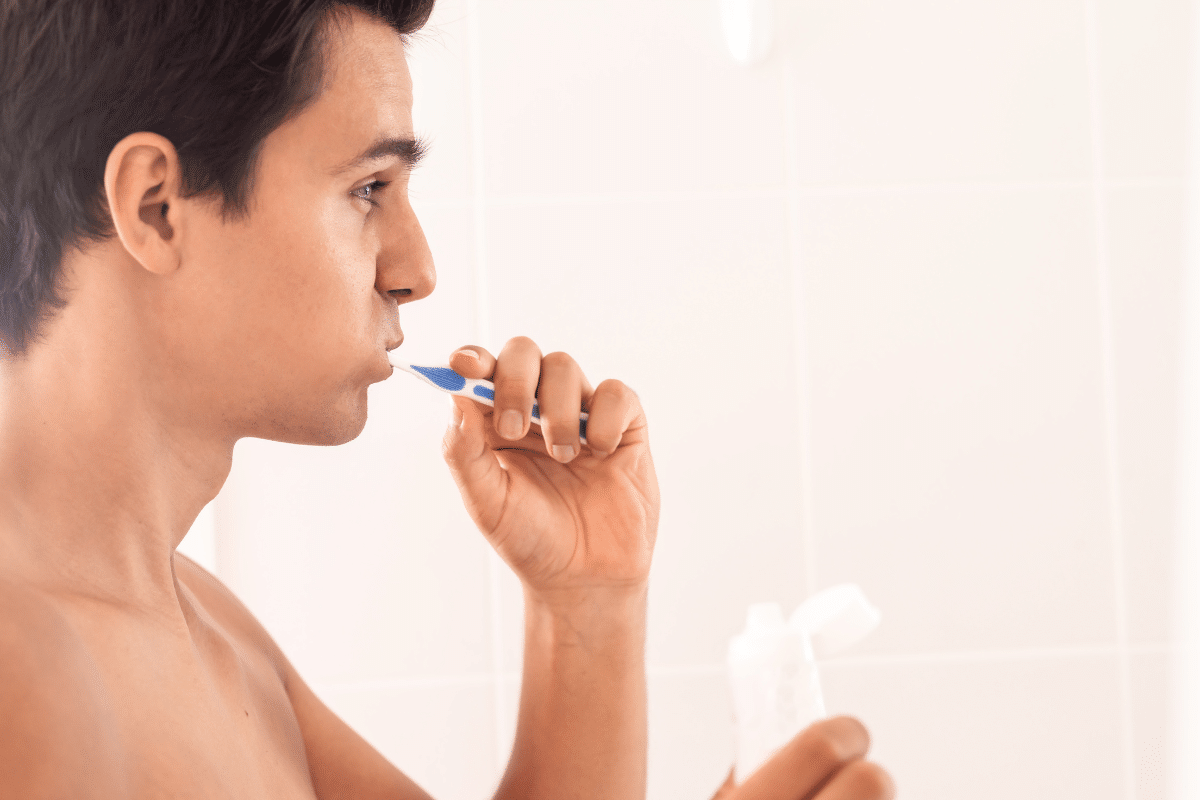
Many people believe brushing their teeth immediately after eating is the best way to keep their mouths clean. But did you know that this common habit might actually harm your teeth? Brushing at the wrong time—especially after consuming acidic foods—can do more harm than good. Let’s explore what the science says and how you can protect your smile effectively.
Why Brushing Right After Eating May Be Harmful
Every time you eat, especially sugary or acidic foods like citrus fruits or pasta sauces, acids are released in your mouth. These acids temporarily soften your tooth enamel—the protective outer layer. Brushing during this vulnerable window may scrub away the softened enamel, increasing the risk of tooth sensitivity and long-term enamel erosion.
In fact, our Scottsdale dentist always recommends waiting at least 30 minutes after eating before brushing. This gives your saliva enough time to neutralize acids and begin the natural remineralization process.
What to Do Instead of Brushing Immediately
If brushing right after meals isn’t safe, what should you do? Here are a few dentist-approved alternatives:
1. Rinse Your Mouth with Water
Swishing with plain water after meals can help flush out food debris and dilute acids. This is one of the simplest ways to support oral hygiene throughout the day.
2. Chew Sugar-Free Gum
Chewing gum (especially xylitol-based) increases saliva production, which is your body’s natural defense against acid attacks. It also helps wash away particles left behind.
3. Snack Smart
Crunchy vegetables like carrots and celery stimulate saliva and act as natural toothbrushes. These are excellent alternatives to sticky or sugary snacks that promote plaque buildup.
Timing Matters: When Is It Safe to Brush?
So, how long should you leave after eating before brushing your teeth? Ideally, 30 to 60 minutes is a safe window. This allows your mouth to return to a more neutral pH level, reducing the chances of brushing away softened enamel.
Wondering, “Can I brush my teeth 45 minutes after eating?” Yes—brushing after 45 minutes is generally considered safe and even recommended, especially if you’ve consumed something acidic.
Is It Fine to Wait Until Before Bed to Brush?
Yes, as long as you don’t skip your evening routine. While brushing after every meal isn’t always necessary, brushing before bed is crucial. Skipping it means plaque and bacteria will sit on your teeth overnight, increasing your risk of tooth decay and gum disease.
Even if you’ve eaten earlier, it’s fine to wait and brush just before sleeping—especially if you’ve rinsed with water or chewed sugar-free gum in the meantime.
Food Left on Teeth Can Lead to Tooth Decay
Leaving food particles—especially sugar or starch—on and between your teeth feeds the bacteria that cause decay. That’s why brushing twice a day and flossing at least once is vital. If you’re unsure when not to brush your teeth, it’s right after meals that are heavy in acid. Wait, rinse, and brush later.
Our dentist in Scottsdale emphasizes the importance of timing, not just frequency, when it comes to your brushing habits. Protecting your enamel is a key part of long-term dental care.
When Should You Definitely Avoid Brushing?
There are times when brushing can make things worse:
-
After drinking soda, wine, or fruit juices
-
Right after vomiting or acid reflux episodes
-
Immediately after citrus fruits like oranges or grapefruits
In these cases, wait and rinse with water first. Then brush later to avoid damaging your enamel.
FAQs: What People Often Ask
Do you have to wait 30 minutes after brushing your teeth to eat?
Not necessarily. While eating right after brushing isn’t harmful to enamel, it’s best to allow toothpaste (especially fluoride-based) to stay on your teeth for at least 15–30 minutes before eating or drinking. This maximizes its protective effect.
Is it bad to only brush once a day at night?
Brushing once a day at night is better than brushing only in the morning. However, for optimal dental health, brushing twice a day is ideal. Our Scottsdale dentist recommends maintaining a routine that also includes flossing and regular cleanings.
How long should you leave after eating before brushing your teeth?
Dental professionals generally recommend waiting at least 30 minutes after eating before brushing your teeth. This waiting period allows your enamel to re-harden and gives saliva time to neutralize acids. Brushing too soon—especially after acidic meals—can damage enamel and lead to long-term sensitivity.
Can I brush my teeth 45 minutes after eating?
Yes, brushing 45 minutes after eating is considered safe. In fact, this falls well within the recommended wait time. By this point, your mouth’s pH levels will have begun to normalize, and brushing can effectively clean your teeth without causing enamel erosion.
When not to brush your teeth?
Avoid brushing your teeth right after consuming acidic foods or drinks—like citrus fruits, wine, or soda. You should also delay brushing after vomiting or an acid reflux episode. Instead, rinse with water and wait at least 30 minutes before brushing.
Can food left on and between your teeth lead to tooth decay?
Absolutely. When food particles remain stuck on or between teeth, especially sugary or starchy ones, they provide fuel for bacteria. This leads to acid production, which erodes enamel and causes cavities. Regular brushing, flossing, and rinsing help minimize this risk.
Take Charge of Your Oral Health
Maintaining a beautiful smile goes beyond brushing frequency—it’s also about brushing wisely. Being mindful of when you brush can significantly impact your oral health. If you’re unsure about your habits or facing sensitivity, don’t hesitate to speak with our dentist in Scottsdale for guidance tailored to your needs.
At our dental office, we’re here to help you stay informed and empowered. We care about your comfort, prevention, and long-term well-being. Your journey to stronger, healthier teeth starts with better brushing habits.