
If you recently had a tooth pulled, the first question that likely popped into your mind is: How soon can I return to my regular meals? Many people experience discomfort, confusion, or frustration when navigating the healing process after extraction. However, there are safe and effective ways to transition back to a regular diet. This blog will walk you through everything you need to know to heal appropriately and eat comfortably again.
Knowing when it is safe to resume regular eating habits after a dental extraction is crucial for proper healing and avoiding complications.
Understanding the First 24 Hours: Only Soft Foods
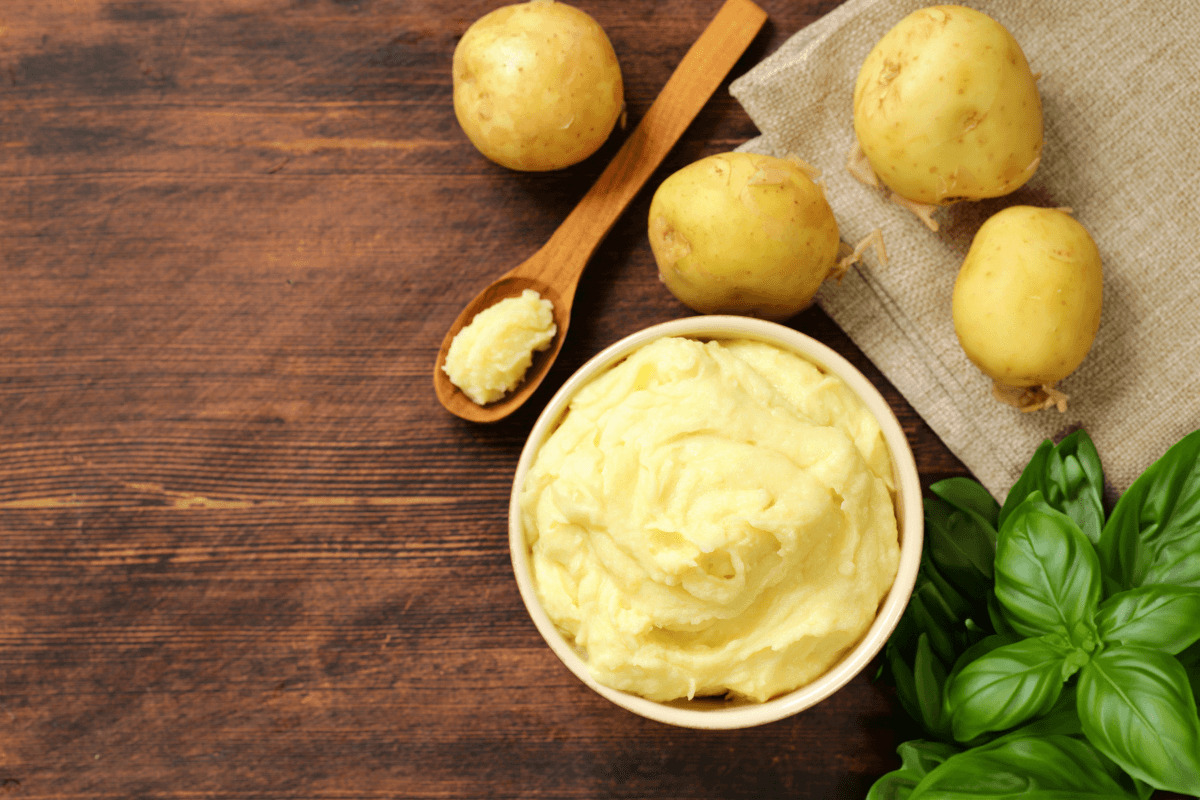
The first 24 hours after a surgical extraction are vital. During this time, you should stick to soft, cool, or lukewarm foods that require minimal chewing. Consider applesauce, yogurt, smoothies (without a straw), or mashed potatoes. These options reduce irritation at the extraction site and help protect the blood clot, which is vital for healing.
Our dentist recommends avoiding anything hot, spicy, crunchy, or chewy. Hot foods and beverages can dislodge the clot, leading to dry socket, a painful condition that delays healing.
Day 2 to Day 3: Gradually Expanding Your Diet
On days two and three, you can slowly introduce lukewarm soups, scrambled eggs, and soft pasta. Be gentle with chewing and avoid chewing on the surgical side. Still, avoid seeds, nuts, and hard foods.
You must monitor your pain and swelling levels. If you are still uncomfortable, give your mouth more time to adjust to soft foods. Our local certified Scottsdale dentist advises staying cautious even if you’re feeling better, as internal healing can take longer than it seems.
Day 4 to Day 7: Moving Toward Semi-Solid Foods
By days four through seven, most people can begin eating semi-solid meals that are easy to chew. You can enjoy pancakes, soft rice dishes, tender-cooked vegetables, and soft fish. At this point, the site should be more stable, but still chew carefully.
Nonetheless, avoid foods that can get lodged in the treated area, such as popcorn, chips, or small grains. Continue to rinse gently with salt water after meals to keep the area clean.
After One Week: When You Can Typically Resume Normal Eating
Most patients can return to a regular diet within 7 to 10 days after a simple extraction. However, healing times vary depending on the complexity of the procedure, your overall health, and how well you follow post-operative care instructions.
If your procedure involved surgical removal or multiple extractions, you might need a longer healing window. On the other hand, if it were a simple extraction, your return to solid food might be quicker. It is essential to listen to your body and follow your oral care provider’s guidance.
Signs You Are Ready to Resume Your Regular Diet
Here are a few indicators that you are ready to eat normally again:
- Minimal to no pain at the surgical site
- No visible swelling or bleeding
- Stable, closed extraction area
- Comfortable jaw movement and chewing ability
Before making any dietary changes, inform your dentist. Their insights will help you make decisions tailored to your recovery.
Foods to Avoid During the Healing Process
Even after you feel like you are healing well, it is vital to avoid certain foods for at least two weeks. Some of these include:
- Crunchy snacks like chips, pretzels, or crackers
- Sticky foods such as caramel or chewing gum
- Spicy and acidic items like salsa or citrus fruits
- Carbonated beverages and alcohol
These foods can either irritate the healing site or interfere with the recovery process. Opt for nutrient-rich, soft foods that promote healing.
Nutritional Considerations During Recovery
- Protein intake is essential — soft sources like scrambled eggs, soft fish, beans (pureed), tofu help tissue repair.
- Stay hydrated—water and broths—but avoid straws early on.
- Micronutrients like vitamin C, calcium, and iron can aid healing. Choose soft dairy products, pureed vegetables, or tender meats.
- Avoid high-sugar foods early on, as they can promote bacterial growth and increase the risk of infection.
Why a Professional Evaluation Is Unavoidable
In a city like Scottsdale, where outdoor dining, active lifestyles, and social gatherings are part of everyday life, returning to your routine after a tooth removal matters. Whether you are grabbing a bite at your favorite spot in the city or feeding your family at home, eating comfortably is essential. However, healing timelines vary for everyone. If you are unsure whether it is safe to resume solid foods, consult a dentist. They can give honest answers based on your recovery, not just general advice. The proper care, at the right time, helps you get back to living well — right here in your community with Kind Family Dentistry.
Unsure About Your Diet After Extraction? Let Our Scottsdale Dentist Help
Every recovery is different, and determining when to resume a regular diet after tooth removal is not always precise. If you are uncertain or want to ensure you’re healing properly, our team at Kind Family Dentistry is here to guide you. We provide trusted, personalized care to support your recovery. Schedule an appointment with our experienced dentist and remove the guesswork from your healing process.
FAQs
Q: How long does the blood clot take to stabilize?
A: The blood clot forms immediately after extraction and is most vulnerable in the first 24 hours. By days 3–5, it’s more stable, but it’s still at risk until about a week or so later.
Q: Can I chew on the extraction side sooner if I feel okay?
A: It’s best to chew on the opposite side until you have minimal pain, swelling, and the area feels healed.
Q: Is it okay to use mouthwash or rinse with salt water?
A: Gentle saltwater rinses are usually safe after 24 hours. Avoid strong antiseptic mouthwashes early, as they can irritate the site.
Q: When can I drink hot beverages like coffee or tea?
A: Wait until your mouth isn’t numb and until the extraction area is no longer sensitive to heat (often after 24-48 hours).
Q: What if I experience severe pain or swelling after day 3 or 4?
A: If pain worsens, swelling increases, there’s a bad taste or odor, or bleeding doesn’t subside, contact your dentist right away.
Q: How does smoking or tobacco use affect healing?
A: Smoking significantly increases the risk of dry socket and slows overall healing. Avoid all tobacco (and vaping) during recovery.
Q: When is it safe to resume strenuous physical activity or workouts?
A: Usually 2–3 days after extraction for mild activity, but heavy lifting or exertion might need to wait until swelling subsides (often after day 4 or more).
Q: How does healing differ for kids vs. adults?
A: Kids tend to heal faster, but adults with conditions like diabetes may need longer recovery times and closer monitoring by their dentist.